
How to Prepare Your Pet for Surgery: A Step-by-Step Guide
Preparing your pet for surgery can be stressful for both you and your furry companion. Whether it’s a routine procedure or a more complex surgery, the idea of your pet undergoing an operation can bring up a mix of emotions. You want to ensure they are ready, both physically and mentally, to handle the process.
As a pet owner, it’s important to know exactly what steps to take before the day of the surgery. Proper preparation can help your pet recover more quickly and make the entire experience smoother. This guide, especially for pet owners in Pasadena, TX, will walk you through everything you need to know. From pre-surgery care to what to expect during recovery, this blog will provide useful tips to ensure your pet’s surgery is as stress-free as possible.
By following these steps, you’ll feel confident in helping your pet through the process. So, let’s dive in and make sure you’re fully prepared.
Exploring the Need for Pet Surgery
When a veterinarian recommends surgery for your pet, it can sometimes feel overwhelming. However, surgery is often necessary for diagnosing and treating various health conditions. It might be needed to remove tumors, repair broken bones, or treat internal issues. Pet surgery allows veterinarians to perform more accurate procedures than non-invasive methods alone.
What surgery does your pet need, and why?
- Diagnostic surgeries are performed to confirm the presence of a disease or condition.
- Corrective surgeries fix injuries or conditions that affect a pet’s mobility or overall well-being.
- Preventive surgeries help prevent future health problems, such as spaying or neutering.
Understanding the type of surgery helps you better prepare for and anticipate your pet’s recovery.
Preparing Your Pet Before Surgery
Veterinary Consultation
Before the big day, you’ll have a consultation with the veterinarian. The meeting is essential for discussing your pet’s medical history, the surgery itself, and any pre-surgery instructions. Here’s what to expect during the consultation:
- Reviewing your pet’s health – the veterinarian will conduct an exam and might order blood tests to ensure your pet is healthy enough for surgery.
- Discussing anesthesia options – Since anesthesia is involved, the vet will explain which option is safest for your pet’s age and health.
- Creating a recovery plan – Knowing what to expect post-surgery is crucial for a smooth recovery.
This consultation also provides an opportunity to ask any questions you might have about the procedure or recovery.
Fasting and Diet
The veterinarian will instruct you on how to handle your pet’s food and water intake the night before surgery. Generally, pets are required to fast for 12 hours before surgery to ensure their stomachs are empty during anesthesia, which reduces the risk of vomiting or aspiration.
- Water restrictions – Most pets should not drink water 4-6 hours before surgery.
- Food restrictions – Avoid feeding your pet the night before the surgery, unless the vet advises otherwise.
Preparing Your Home
Get your home ready for your pet’s recovery. It’s essential to provide a clean, comfortable, and quiet space for them to rest after surgery.
- Prepare a cozy resting area – Choose a soft bed that supports your pet’s body, preferably in a quiet area away from household traffic.
- Avoid steps and obstacles – After surgery, your pet may struggle with movement, so keep them away from stairs or slippery floors.
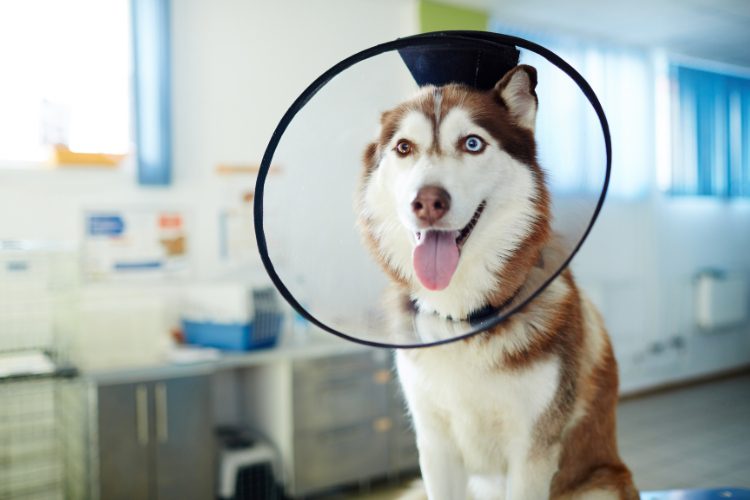
- Gather recovery supplies – Stock up on items like pain medication, an Elizabethan collar (cone), and any special foods or supplements.
What to Expect on the Day of Surgery
Pre-Surgery Instructions
The morning of your pet’s surgery, you’ll need to follow any final pre-surgery instructions the vet has provided, which may include:
- Arriving on time – Arriving early ensures the surgical team has enough time to prepare your pet.
- Handling medications – If your pet takes any medications regularly, discuss how to handle them with the vet before surgery. Some medications may need to be withheld.
- No food or water – Make sure your pet does not eat or drink, as per the fasting instructions provided earlier.
During the Surgery
Once you arrive at the vet clinic, the surgical team will take over your pet’s care. Here’s what happens next:
- Anesthesia administration – Your pet will be given anesthesia to keep them comfortable throughout the procedure.
- Monitoring – The veterinary team will monitor your pet’s vital signs closely during surgery to ensure their safety.
- Post-surgery preparation – After the surgery, your pet will be moved to a recovery area where they will be observed as they wake up from anesthesia.
Post-Surgery Care and Recovery
Aftercare Instructions
After your pet’s surgery, the team will provide instructions for their recovery. Follow these closely to promote healing and comfort.
- Monitor for pain – Your pet may experience some discomfort after surgery. The vet will prescribe pain medication to manage this.
- Wound care – If there are incisions, keep the area clean and dry to prevent infection. Make sure to keep an eye on any sutures or staples, and follow the vet’s advice on when to remove them.
- Monitor behavior – Your pet may be groggy or a bit confused immediately after surgery, which is normal, but watch for any signs of abnormal behavior that could indicate complications.
Home Recovery Tips
Helping your pet recover at home involves making them comfortable and ensuring they rest.
- Limit activity – Keep your pet indoors and prevent excessive movement to avoid straining the surgical site.
- Follow up with vet – You’ll likely need to take your pet back for a follow-up appointment to check on their recovery.
- Keep them hydrated and fed – Offer small, easy-to-digest meals and ensure water is available at all times.
Risks of Surgery and How to Minimize Them
Understanding Potential Risks
While surgery is generally safe, it does carry some risks, including:
- Infection – Even with the best care, infections can sometimes develop at the surgical site.
- Anesthesia reactions – In rare cases, pets can have adverse reactions to anesthesia.
- Delayed healing – Some pets may take longer than others to recover, depending on their age or pre-existing conditions.
How to Minimize Risks
You can minimize these risks by:
- Choosing a qualified veterinarian – Ensure the vet is well-versed in the specific surgery your pet needs.
- Following pre-surgery instructions carefully – Ensuring your pet is in optimal health before surgery reduces complications.
- Monitoring recovery closely – By staying vigilant after surgery, you can catch any early signs of complications.
Preparing for Your Pet’s Surgery With Confidence
Preparing your pet for surgery involves understanding the procedure, planning, and following through with post-surgery care. By keeping these steps in mind, you can help make things easier for both you and your pet.
Your pet’s health and well-being are of the utmost importance, and proper preparation can make a world of difference. Whether your pet is undergoing a routine procedure or a more complex one, staying informed and involved in their care helps ensure a smoother recovery.
If you’re in Pasadena and preparing for your pet’s surgery, book an appointment with Spencer Animal Hospital for guidance every step of the way. Our team is committed to providing the best care for your furry companion, from pre-surgery consultations to post-surgery recovery.
FAQs
Q1. How long does it take for pets to recover from surgery?
Ans. Recovery time varies depending on the type of surgery. Minor procedures may take a few days, while major surgeries can take several weeks. Always follow the vet’s aftercare instructions for the best results.
Q2. What should I do if my pet refuses to eat after surgery?
Ans. If your pet refuses to eat after surgery, try offering smaller meals or soft food. If the issue persists, contact the vet to rule out complications.
Q3. Can my pet be in pain after surgery?
Ans. Yes, pets may experience some discomfort after surgery. The vet will prescribe pain medication to manage this. Make sure to follow the instructions on how and when to administer it.
Q4. When can my pet resume normal activities after surgery?
Ans. The vet will advise when to resume normal activities, but generally, pets should rest for 10-14 days after surgery to prevent complications.
Q5. How can I tell if my pet’s surgical site is infected?
Ans. Signs of infection include redness, swelling, discharge, or a foul odor from the surgical site. If you notice any of these signs, contact the vet immediately.
Q6. Are there any risks to anesthesia for my pet?
Ans. While anesthesia is generally safe, there are always risks. The veterinarian will assess your pet’s health beforehand to minimize risks and choose the safest anesthesia option for them.
Recent Posts
About Spencer Animal Hospital
Spencer Animal Hospital is a staple of the Pasadena community. Our veterinarians and staff have been providing high-quality, compassionate veterinary medicine since 1974. As a full-service veterinarian in Pasadena, TX, we serve dogs and cats with expert, personalized, affordable care.