
Why Routine Dental Care Is Essential for Pets
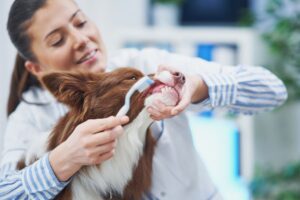
Routine dental care is one of the most overlooked aspects of pet health, yet it plays a major role in your pet’s overall well-being. Poor oral hygiene can lead to pain, infections, and even serious health conditions affecting the heart, liver, and kidneys.
In this guide, we will explain why dental care is essential for pets, the risks of ignoring oral health, warning signs to watch for, and simple ways to maintain your pet’s teeth and gums. Whether you own a dog or a cat, understanding proper dental care can help your pet live a longer, healthier life.
What Is Routine Dental Care for Pets?
Routine dental care refers to maintaining your pet’s oral hygiene through regular brushing, professional cleanings, and routine veterinary exams. Just like humans, pets develop plaque and tartar buildup that can lead to dental disease if left untreated.
A typical dental care routine includes:
- Daily or weekly brushing
- Dental chews or treats
- Professional dental cleanings
- Oral health exams during vet visits
- Dental-friendly diets
Many pet owners assume that bad breath is normal, but this is often the first sign of dental disease. Maintaining proper dental care helps prevent problems before they become serious and costly.
Why Dental Care Is Essential for Your Pet’s Overall Health
Routine dental care does more than keep your pet’s teeth clean. It plays an important role in preventing serious health conditions.
Here are some key benefits of regular dental care:
Prevents Periodontal Disease
Periodontal disease is one of the most common conditions in pets. Studies suggest that over 70 percent of cats and 80 percent of dogs show signs of dental disease by age three.
Without proper dental care, plaque hardens into tartar, causing gum inflammation, infection, and tooth loss.
Protects Vital Organs
Bacteria from dental infections can enter your pet’s bloodstream and affect:
- Heart
- Liver
- Kidneys
- Lungs
Routine dental care helps reduce this risk and keeps your pet healthier overall.
Reduces Pain and Discomfort
Pets often hide pain, making dental problems difficult to detect. Tooth infections and gum disease can cause:
- Difficulty eating
- Drooling
- Irritability
- Weight loss
Regular dental care helps identify and treat these issues early.
Improves Quality of Life
Pets with healthy teeth enjoy eating, playing, and interacting more comfortably. Proper dental care helps your pet stay happy and active.
Common Dental Problems in Pets
Understanding common dental issues can help pet owners recognize when dental care is needed.
Plaque and Tartar Buildup
Plaque forms daily on your pet’s teeth. Without brushing, it hardens into tartar, which can only be removed professionally.
Gingivitis
Gingivitis is gum inflammation caused by bacterial buildup. Symptoms include:
- Red gums
- Swelling
- Bleeding
- Bad breath
Early dental care can reverse gingivitis before it worsens.
Periodontal Disease
This advanced dental condition damages gums, bone, and teeth. It often requires professional treatment and sometimes tooth extraction.
Tooth Fractures
Pets often break teeth while chewing hard objects. Broken teeth can lead to infections and pain.
Oral Infections
Untreated dental issues can result in serious infections that impact your pet’s overall health.
Signs Your Pet Needs Dental Care
Pets cannot tell you when they have tooth pain, so recognizing warning signs is important.
Watch for these signs:
- Bad breath
- Yellow or brown buildup on teeth
- Red or swollen gums
- Drooling
- Difficulty eating
- Pawing at the mouth
- Loose or missing teeth
- Behavioral changes
If you notice any of these symptoms, it is time to schedule a dental checkup.
How Often Should Pets Get Dental Care?
Routine dental care should be part of your pet’s regular health routine.
General recommendations include:
- Daily brushing if possible
- Professional dental cleaning once a year
- Oral exams during routine vet visits
- Dental treats or chews several times weekly
Some pets may need more frequent dental care depending on:
- Breed
- Age
- Diet
- Existing dental problems
Small dog breeds and older pets often require more frequent dental attention.
Easy Ways to Maintain Your Pet’s Dental Care at Home
Maintaining dental care at home can help prevent serious dental problems.
Brush Your Pet’s Teeth
Brushing is the most effective way to prevent plaque buildup.
Tips for brushing:
- Use pet-safe toothpaste
- Start slowly
- Reward your pet after brushing
- Brush at least 2 to 3 times weekly
Use Dental Chews
Dental chews help reduce plaque buildup and freshen breath. Choose veterinarian-recommended options.
Provide Dental-Friendly Toys
Chewing toys helps remove plaque naturally. Avoid very hard toys that may break teeth.
Try Dental Diets
Some pet foods are specially designed to reduce plaque and support dental care.
Use Water Additives
Dental water additives help control bacteria and improve oral hygiene.
Professional Dental Cleanings for Pets
Even with good home dental care, professional cleanings are still necessary.
Professional dental cleanings include:
- Oral examination
- Tartar removal
- Tooth polishing
- Gum health evaluation
- Dental X-rays, when needed
Professional dental care helps detect hidden problems early and keeps your pet’s mouth healthy.
Why Early Dental Care Matters for Puppies and Kittens
Starting dental care early makes it easier to maintain oral health later.
Benefits of early dental care:
- Helps pets get comfortable with brushing
- Prevents early plaque buildup
- Promotes healthy adult teeth
- Reduces dental anxiety
Introducing dental care at a young age creates lifelong healthy habits.
The Cost of Ignoring Dental Care
Skipping routine dental care can lead to costly and serious health problems.
Potential risks include:
- Tooth loss
- Gum infections
- Pain and discomfort
- Organ damage
- Expensive treatments
Preventive dental care is more affordable and safer than treating advanced dental disease.
Tips for Choosing the Right Dental Care Routine
Every pet is different. Consider these factors when creating a dental care plan:
- Age of your pet
- Breed
- Current dental health
- Diet
- Lifestyle
Your veterinarian can help create a customized dental care plan for your pet.
Routine dental care is essential for keeping your pet healthy, comfortable, and happy. From preventing dental disease to protecting vital organs, maintaining your pet’s oral hygiene plays a major role in their overall well-being. By combining at-home dental care with professional cleanings, you can help your pet live a longer and healthier life.
If your pet is due for a dental checkup, contact Spencer Animal Hospital in Pasadena, TX, today to schedule an appointment and keep your pet smiling.
FAQs
Q1: How often should I brush my pet’s teeth?
Ans: Ideally, you should brush your pet’s teeth daily. If that is not possible, brushing at least 2 to 3 times per week still provides strong dental care benefits.
Q2: Is bad breath in pets normal?
Ans: No, bad breath is often a sign of dental disease. Routine dental care helps eliminate bacteria and improve your pet’s breath.
Q3: Do pets really need professional dental cleanings?
Ans: Yes, professional dental cleanings remove tartar that cannot be removed at home and help detect hidden dental issues early.
Q4: What happens if I ignore my pet’s dental care?
Ans: Ignoring dental care can lead to gum disease, tooth loss, infections, and serious health problems affecting major organs.
Q5: Are dental treats enough for my pet’s dental care?
Ans: Dental treats help reduce plaque, but they should not replace brushing and professional dental care for the best results.
Recent Posts




About Spencer Animal Hospital
Spencer Animal Hospital is a staple of the Pasadena community. Our veterinarians and staff have been providing high-quality, compassionate veterinary medicine since 1974. As a full-service veterinarian in Pasadena, TX, we serve dogs and cats with expert, personalized, affordable care.