Cat Surgery in Pasadena, TX
Trusted surgical care backed by careful preparation, close monitoring, and attentive recovery support.
Compassionate Surgical Care for Cats
Your cat may need surgery at some point, whether for a routine procedure or a more complex medical concern. When that time comes, you want your cat to receive skilled veterinary care in a supportive and compassionate environment.
At Spencer Animal Hospital, we provide surgical care tailored to each cat's individual needs. As an AAHA-accredited practice, our veterinarians and technicians follow recognized standards while supporting your cat through preparation, surgery, monitoring, and recovery. Careful planning and attention throughout each stage help support your cat's safety and comfort.

Signs Your Cat May Need Surgery
Surgery may be recommended when a medical condition, injury, or other health concern cannot be effectively managed with non-surgical treatment alone. Signs such as a noticeable mass, persistent discomfort, changes in urination or bowel habits, abdominal concerns, eye problems, or injuries may prompt a veterinary evaluation to determine whether surgery is appropriate. Some procedures, including spaying and neutering, may also be planned as preventive care.
Feline Surgical Care We Offer
At Spencer Animal Hospital, feline surgical care is tailored to your cat's individual diagnosis and health needs. Some procedures are planned in advance, while others may be recommended after an examination or diagnostic evaluation identifies a condition requiring surgical treatment.
Our surgical services for cats may include:
- Spay and neuter procedures
- Mass and tumor removal
- Cystotomy and other bladder procedures
- Abdominal surgery
- Exploratory surgery
- Ophthalmic and eye surgery
- Additional procedures based on your cat's medical needs
Before recommending surgery, our veterinary team discusses the reason for the procedure, evaluates your cat's condition, and helps you understand what to expect before, during, and after treatment.
Preparing Your Cat for Surgery
Proper preparation in the days and hours leading up to surgery plays an important role in keeping your cat safe. Here's what to expect:
- Fasting Before Surgery: Since general anesthesia is required, your cat will need to fast the night before their procedure. Feeding them dinner the evening before is fine, but avoid any treats or meals after that until surgery is complete. Water is okay to leave out until surgery.
- Preparing a Recovery Space: Set up a quiet room or area at home ahead of time where your cat can rest and recover comfortably after surgery.
- Arriving Early: Plan to arrive at our practice early in the morning, even if your cat's surgery isn't scheduled until later in the day. We open at 7:30 AM, and this timing gives our team plenty of opportunity to prep your cat and confirm they're healthy enough for the procedure.
- Consent and Paperwork: When you drop your cat off, you'll be asked to fill out and sign a surgical consent form. If anything is unclear, our staff is happy to walk through it with you.


Safety Protocols for Every Surgery
Your cat's comfort and safety before, during, and after surgery is our top priority. We follow several important steps to protect them throughout the process:
- Pre-anesthetic bloodwork and a physical exam to assess your cat's health and determine the appropriate anesthetic protocol
- IV catheter placement with fluids to keep your cat hydrated, help maintain healthy blood pressure, and allow for easy administration of medications during the procedure
- Complete vital monitoring using advanced equipment that tracks blood pressure, heart rate and rhythm, blood-oxygen saturation, respiratory rate, and more throughout surgery
- A dedicated surgical technician who watches over your cat continuously, from the moment they're admitted until the moment they leave
- Appropriate pain medication administered before, during, and after surgery to minimize discomfort at every stage
Pain Management and Post-Surgical Care
When you pick your cat up after surgery, one of our technicians will walk you through detailed discharge instructions. We'll also send home pain medication to help keep your cat comfortable throughout their recovery.
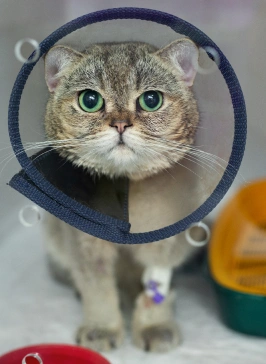
For post-op care, it's important that your cat has a safe, quiet place to rest, away from other pets, especially during the first 24 hours after surgery. You can offer them food during this time, but be aware they may not be interested in eating right away, since they may still be groggy from the anesthesia. It's also important to keep your cat from being overly active for the first 10 days after surgery, or as long as directed, to avoid any damage to the surgical site.
If you have any questions or concerns about your cat's surgery or their recovery, don't hesitate to reach out to our team.
Trust Us With Your Cat's Surgical Care
Surgery can be an anxious experience for any pet owner, but knowing your cat is in the hands of a trained, accredited team can offer real peace of mind. From pre-surgical evaluation through post-operative recovery, our team is here to support your cat every step of the way.