
What Happens During a Pet Wellness Exam And Why It Matters Every Year

A yearly pet wellness exam is one of the most important steps you can take to keep your dog or cat healthy. These visits allow veterinarians to evaluate your pet from nose to tail, identify early signs of illness, and guide nutrition, behavior, and preventive care. Even pets that seem perfectly healthy can benefit from regular checkups because many medical conditions develop gradually and may not show obvious symptoms at first. In this guide, you’ll learn what happens during a pet wellness exam, why annual visits matter, and how these appointments help support your pet’s long-term health and happiness.
What Is a Pet Wellness Exam?
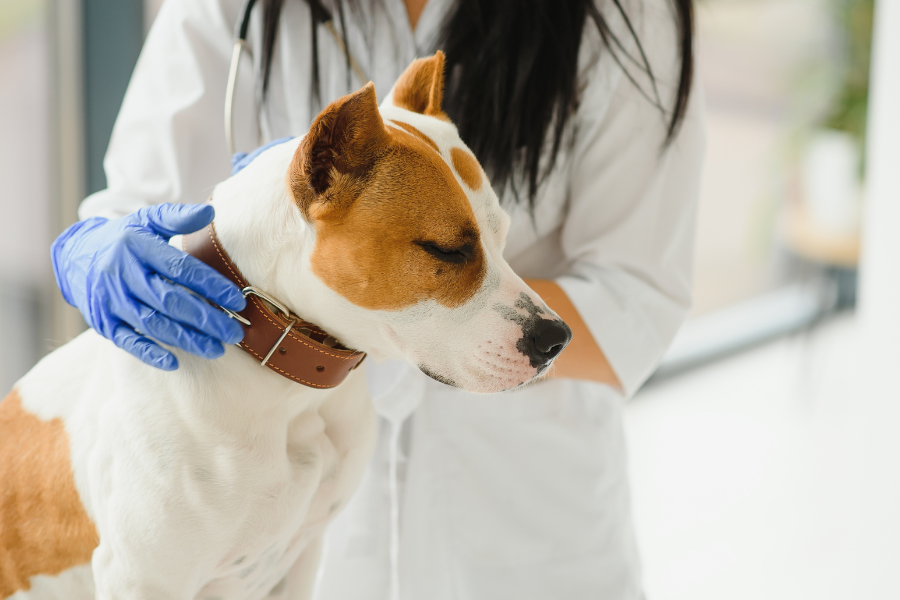
A pet wellness exam is a routine veterinary checkup designed to monitor your pet’s overall health and detect problems before they become serious. Unlike visits for injuries or illnesses, wellness exams focus on prevention and maintaining good health throughout every stage of life.
These appointments allow your veterinarian to:
- Assess your pet’s physical condition
- Monitor weight and body condition
- Identify changes in behavior or mobility
- Discuss nutrition and lifestyle
- Recommend preventive care
- Detect health issues early
Regular exams are valuable for puppies, kittens, adult pets, and seniors alike.
Why Annual Wellness Exams Matter
Pets age much faster than humans. A year in your pet’s life can bring significant physical changes that may go unnoticed without a professional evaluation.
Yearly wellness visits help:
- Detect diseases before symptoms become severe
- Track changes in weight and overall health
- Address concerns related to aging
- Maintain dental health
- Improve quality of life
- Reduce the risk of costly emergency treatments
Early diagnosis often leads to more treatment options and better outcomes.
What Happens During a Pet Wellness Exam?
A pet wellness exam involves a thorough evaluation of your pet’s health from head to tail.
Reviewing Medical History
Your veterinarian will discuss:
- Changes in appetite
- Water intake
- Activity levels
- Sleep habits
- Behavior changes
- Bathroom habits
- Any concerns you’ve noticed at home
These details provide valuable clues about your pet’s health.
Weight and Body Condition Assessment
Maintaining a healthy weight is essential for overall wellness.
Your veterinarian may evaluate:
- Current weight
- Body condition score
- Muscle mass
- Growth patterns in young pets
Weight changes can sometimes signal underlying medical issues, making this step an important part of the examination.
Nose-to-Tail Physical Examination
A comprehensive physical exam allows your veterinarian to assess nearly every body system.
Eyes and Ears
The veterinarian checks for:
- Signs of infection
- Redness or irritation
- Vision changes
- Hearing concerns
- Excess discharge
Healthy eyes and ears are important indicators of overall well-being.
Mouth and Teeth
Dental health affects more than just your pet’s breath.
The exam includes checking for:
- Tartar buildup
- Gum inflammation
- Broken teeth
- Oral masses
- Signs of discomfort
Dental disease is one of the most common health issues seen in dogs and cats, making oral examinations especially important.
Skin and Coat
Healthy skin and a shiny coat often reflect good overall health.
Your veterinarian evaluates:
- Dry or flaky skin
- Hair loss
- Lumps and bumps
- Irritation
- Parasites
Changes in skin condition can sometimes indicate allergies or internal health concerns.
Heart and Lungs
Using a stethoscope, the veterinarian listens carefully to:
- Heart rhythm
- Heart rate
- Lung sounds
- Breathing patterns
Abnormal findings may lead to further evaluation if needed.
Abdomen
The abdomen is gently palpated to assess internal organs and identify abnormalities such as:
- Pain or discomfort
- Organ enlargement
- Fluid accumulation
- Masses
This examination helps detect issues that are not visible externally.
Joints and Mobility
Mobility assessments become especially important as pets age.
Your veterinarian checks:
- Joint flexibility
- Muscle condition
- Walking patterns
- Signs of stiffness or discomfort
Early recognition of mobility issues can improve your pet’s comfort and quality of life.
Diagnostic Testing
Routine laboratory testing is often recommended as part of a pet wellness exam, especially for senior pets.
Common tests may include:
- Blood work
- Urinalysis
- Fecal testing
- Heartworm screening for dogs
These tests help identify health concerns before obvious symptoms appear.
Nutrition and Weight Management
Proper nutrition supports every aspect of your pet’s health.
During the appointment, your veterinarian may discuss:
- Diet recommendations
- Portion sizes
- Weight goals
- Treat guidelines
- Nutritional needs based on age and activity level
Small dietary adjustments can make a big difference in maintaining long-term health.
Behavioral and Lifestyle Discussions
Behavioral changes can sometimes signal stress or medical issues.
Topics may include:
- Anxiety
- House-training concerns
- Excessive barking
- Scratching behavior
- Exercise needs
- Social interactions
Addressing these concerns early can strengthen the bond between you and your pet.
Senior Pets Need More Frequent Monitoring
As pets age, their health needs often change.
Senior pets may benefit from:
- More frequent examinations
- Routine blood testing
- Mobility assessments
- Nutritional adjustments
- Closer monitoring of chronic conditions
Because pets age rapidly, annual visits may not always be enough for older animals.
Signs Your Pet Should See a Veterinarian Sooner
Don’t wait for the next annual visit if your pet experiences:
- Loss of appetite
- Weight loss
- Vomiting or diarrhea
- Excessive thirst
- Changes in behavior
- Difficulty walking
- Persistent coughing
- Lumps or swelling
- Unusual fatigue
Prompt medical attention can prevent minor problems from becoming serious.
How to Prepare for a Pet Wellness Exam
You can help make the appointment more productive by:
- Bringing a list of questions
- Noting changes in behavior or appetite
- Bringing stool samples if requested
- Recording medications and supplements
- Keeping your pet calm during travel
The more information you provide, the easier it is for your veterinarian to assess your pet’s health.
Benefits of Consistent Preventive Care
Routine pet wellness exams provide benefits beyond disease detection.
Regular visits help:
- Build a relationship with your veterinary team
- Establish health baselines
- Track changes over time
- Support healthy aging
- Improve overall quality of life
Preventive care is one of the best investments you can make in your pet’s future.
Conclusion
A yearly pet wellness exam does far more than confirm that your pet is healthy. It provides an opportunity to detect problems early, discuss nutrition and behavior, and create a personalized plan for lifelong wellness. Consistent preventive care helps dogs and cats enjoy healthier, happier lives while giving owners peace of mind. If your pet is due for a checkup, schedule an appointment with Spencer Animal Hospital in Pasadena, TX to help keep them feeling their best year after year.
FAQs
Q1: What is included in a pet wellness exam?
A pet wellness exam includes a physical examination, weight assessment, dental evaluation, heart and lung check, abdominal examination, and discussions about nutrition, behavior, and preventive care.
Q2: Why does my pet need a wellness exam every year?
Annual pet wellness exams help detect health problems early, monitor changes over time, and support preventive care that keeps pets healthier throughout their lives.
Q3: How long does a pet wellness exam take?
Most wellness exams take between 30 and 60 minutes, depending on your pet’s age, medical history, and any additional testing that may be needed.
Q4: Are wellness exams necessary if my pet seems healthy?
Yes. Many illnesses develop slowly and may not show obvious symptoms in the early stages. Regular exams help identify problems before they become serious.
Q5: Do senior pets need more frequent wellness exams?
Yes. Senior pets often benefit from more frequent checkups and routine diagnostic testing because age-related conditions can develop more rapidly.
Recent Posts



About Spencer Animal Hospital
Spencer Animal Hospital is a staple of the Pasadena community. Our veterinarians and staff have been providing high-quality, compassionate veterinary medicine since 1974. As a full-service veterinarian in Pasadena, TX, we serve dogs and cats with expert, personalized, affordable care.