
Why Regular Pet Wellness Exams Are Essential for Their Health
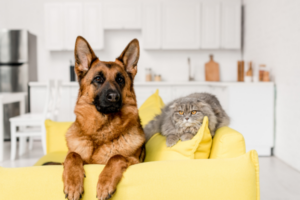
Pets can seem perfectly healthy while a developing health problem goes unnoticed. Dogs and cats often hide pain or early signs of illness, which means waiting until something looks wrong may delay important care. Regular pet wellness exams give your veterinarian an opportunity to check your pet’s health, monitor changes over time, and identify concerns before they become more serious. At Spencer Animal Hospital, Pasadena, TX, veterinary professionals can help create a wellness plan based on your pet’s age, lifestyle, and individual needs. Routine examinations are not only about treating illness. They are also about keeping track of your pet’s growth, weight, dental health, behavior, and overall well-being.
Why Are Regular Pet Wellness Exams Important?
Regular pet wellness exams help veterinarians detect health changes early, monitor your pet’s development, and provide personalized preventive care. These visits can identify problems that may not yet cause obvious symptoms, giving your veterinarian a chance to address them sooner.
A wellness visit is different from a sick visit. Instead of focusing only on an existing problem, the veterinarian takes a broader look at your pet’s current health.
A routine exam may help your veterinarian:
- Establish a baseline for your pet’s health
- Monitor weight and body condition
- Check the heart and lungs
- Examine the skin and coat
- Assess the eyes and ears
- Evaluate the mouth and teeth
- Discuss nutrition
- Review behavior
- Monitor age-related changes
- Recommend appropriate diagnostic testing
This ongoing information can make changes easier to recognize from one visit to the next.
What Does a Pet Wellness Exam Include?
A wellness examination usually starts with questions about your pet’s daily life and any changes you have noticed.
Your veterinarian may ask about appetite, water consumption, activity, bathroom habits, behavior, and diet.
The physical examination may include:
| Area Checked | What Your Veterinarian May Look For |
| Eyes | Redness, discharge, cloudiness, or other changes |
| Ears | Odor, inflammation, debris, or irritation |
| Mouth | Tartar, gum inflammation, damaged teeth, or oral concerns |
| Heart | Heart rate and abnormal heart sounds |
| Lungs | Breathing pattern and unusual lung sounds |
| Skin and coat | Lumps, irritation, hair loss, or parasites |
| Abdomen | Pain, swelling, or abnormal findings |
| Muscles and joints | Mobility, discomfort, or stiffness |
| Weight | Weight gain, weight loss, or unhealthy body condition |
| Overall behavior | Changes that may suggest pain or illness |
The exact examination depends on your pet’s age, species, health history, and individual needs.
How Often Should My Pet Have a Wellness Exam?
The ideal schedule depends on your pet.
Young animals, healthy adults, and senior pets can have different healthcare needs.
Your veterinarian may recommend:
- Young pets: More frequent visits while they grow and develop
- Healthy adult pets: Routine examinations based on age and health
- Senior pets: More frequent monitoring as age-related conditions become more likely
Senior pets may benefit from closer monitoring because health changes can develop more quickly. Rather than following one schedule for every animal, ask your veterinarian how often your specific pet should be examined.
Can Wellness Exams Find Problems Before Symptoms Appear?
Yes. One of the major benefits of routine veterinary care is identifying subtle changes before they become obvious at home. Your pet may still be eating, playing, and interacting normally while an early health problem develops.
A wellness visit may help detect:
- Unusual weight changes
- Early dental disease
- Heart abnormalities
- Skin problems
- Changes in mobility
- Early signs of organ problems
- Abnormal growths or lumps
- Behavioral changes
- Other subtle health concerns
Early detection does not guarantee that every condition can be prevented, but it can give you and your veterinarian more opportunities to respond appropriately.
Why Is Weight Monitoring Important?
Your pet’s weight can provide useful information about overall health. Unexpected weight gain may increase strain on the joints and other body systems. Unexplained weight loss can sometimes be associated with an underlying health problem.
During a wellness visit, your veterinarian can assess:
- Current body weight
- Body condition
- Muscle condition
- Diet
- Feeding portions
- Activity level
If your pet needs to gain or lose weight, your veterinarian can help establish realistic goals rather than relying on guesswork.
Why Are Dental Checks Part of Wellness Care?
Dental problems can develop gradually, and many pets continue eating despite oral discomfort. A wellness examination gives your veterinarian an opportunity to look for visible signs of dental disease.
Watch for:
- Persistent bad breath
- Red or swollen gums
- Tartar buildup
- Loose teeth
- Drooling
- Difficulty chewing
- Dropping food
Your veterinarian can explain whether your pet needs additional dental evaluation or professional dental care.
How Do Wellness Exams Help Senior Pets?
Aging is a normal part of life, but it can bring changes that deserve closer monitoring. Senior dogs and cats may develop changes involving their joints, teeth, weight, behavior, or organ function.
Regular examinations can help monitor:
- Mobility
- Weight and muscle condition
- Appetite
- Dental health
- Skin and coat
- Behavior
- Hearing and vision changes
- Organ function when diagnostic testing is recommended
A pet that seems simply “slower with age” may actually have a treatable condition causing discomfort.
What Diagnostic Tests Might Be Recommended?
Not every pet needs the same tests at every visit.
Your veterinarian may recommend diagnostic screening based on age, symptoms, breed, lifestyle, medical history, or examination findings.
Possible evaluations include:
| Test or Evaluation | What It Can Help Assess |
| Blood testing | Certain organ and blood-related changes |
| Urine testing | Urinary and other internal health concerns |
| Fecal testing | Certain intestinal parasites and digestive concerns |
| Blood pressure measurement | Circulatory health |
| Imaging | Internal structures when indicated |
| Dental evaluation | Teeth and gum health |
Diagnostic testing is selected based on your pet’s individual needs rather than automatically performing every available test.
Can Wellness Exams Help With Behavior Problems?
Yes, behavior changes can sometimes be connected to medical issues. For example, a normally friendly pet that suddenly becomes withdrawn or irritable may be experiencing pain or another health problem.
Tell your veterinarian about changes such as:
- Increased hiding
- New aggression
- Restlessness
- Excessive vocalization
- Changes in sleep
- House-soiling
- Reduced interaction
- Sudden anxiety
- Changes in activity
Behavior is part of your pet’s health picture and should be discussed during routine care.
What Should I Tell My Veterinarian During a Wellness Exam?
You know your pet’s normal habits better than anyone else.
Even small changes may help your veterinarian understand what is happening.
Before the appointment, consider noting:
- Changes in appetite
- Changes in water consumption
- Weight changes
- Bathroom changes
- New lumps or bumps
- Changes in activity
- Coughing or breathing changes
- Vomiting or diarrhea
- Changes in behavior
- Changes in sleeping habits
Bring a list of questions or concerns so you do not forget them during the appointment.
What Happens During a Wellness Visit for a Senior Dog?
Imagine a 10-year-old dog named Charlie who still enjoys walks and eats normally. His owner schedules routine wellness examinations even though Charlie appears healthy.
During one visit, the veterinarian notices a subtle change in Charlie’s body condition and recommends additional evaluation. This hypothetical example shows how routine monitoring can identify changes that may not be obvious to an owner at home.
The earlier a change is noticed, the sooner your veterinarian can determine whether it needs attention.
What Can You Do Between Wellness Exams?
Veterinary care does not stop when the appointment ends.
Your observations at home are an important part of your pet’s health monitoring.
Between visits:
- Monitor your pet’s appetite.
- Watch changes in water intake.
- Check their body condition.
- Look at their teeth and gums when safe.
- Pay attention to mobility.
- Notice changes in behavior.
- Monitor bathroom habits.
- Check the skin and coat regularly.
- Contact your veterinarian about significant changes.
Keeping track of what is normal for your pet makes unusual changes easier to recognize.
When Should I Schedule a Veterinary Visit Instead of Waiting?
A wellness exam is intended for routine health monitoring. If your pet develops concerning symptoms between scheduled visits, do not wait for the next routine appointment.
Contact your veterinarian if your pet develops:
- Persistent vomiting or diarrhea
- Significant appetite changes
- Sudden weight loss
- Difficulty breathing
- Severe lethargy
- New mobility problems
- Unusual bleeding
- Significant pain
- Sudden behavior changes
- A new or rapidly growing lump
Severe or rapidly worsening symptoms may require prompt veterinary attention rather than a routine appointment.
Conclusion
Regular pet wellness exams are an important part of maintaining your dog’s or cat’s long-term health. These visits allow your veterinarian to establish health baselines, monitor weight and development, evaluate dental and physical health, discuss behavior and nutrition, and investigate subtle changes that may not yet be obvious at home. Wellness care is especially valuable as pets age and their healthcare needs change. Between appointments, continue watching your pet for changes in appetite, activity, behavior, weight, and bathroom habits. If something seems unusual, contact your veterinarian rather than waiting. Book an appointment with Spencer Animal Hospital in Pasadena, TX that can help you build a routine wellness plan designed around your pet’s individual needs.
FAQs
Q1: What is a pet wellness exam?
A: A pet wellness exam is a routine veterinary visit focused on your pet’s overall health rather than a specific illness. It may include a physical examination, weight assessment, dental evaluation, lifestyle discussion, and recommendations for appropriate preventive or diagnostic care.
Q2: How often should my dog or cat have a wellness exam?
A: The ideal schedule depends on your pet’s age, health, lifestyle, and individual needs. Young and senior pets may need more frequent monitoring than healthy adult pets.
Q3: Can a wellness exam find health problems before symptoms appear?
A: A wellness exam can help identify subtle physical changes that may not be noticeable at home. Your veterinarian may also recommend diagnostic testing when appropriate to investigate potential concerns.
Q4: What should I bring to my pet’s wellness appointment?
A: Bring any relevant medical records and a list of questions or changes you have noticed. Information about appetite, water consumption, bathroom habits, diet, activity, and behavior can also help your veterinarian.
Q5: Why are wellness exams important for senior pets?
A: Senior pets can experience age-related changes involving mobility, weight, dental health, behavior, and organ function. More frequent veterinary monitoring can help identify changes and determine whether further evaluation or treatment is appropriate.
Recent Posts


About Spencer Animal Hospital
Spencer Animal Hospital is a staple of the Pasadena community. Our veterinarians and staff have been providing high-quality, compassionate veterinary medicine since 1974. As a full-service veterinarian in Pasadena, TX, we serve dogs and cats with expert, personalized, affordable care.