Halloween Party Foods That Are Toxic to Pets: Ingredients to Keep Out of Reach
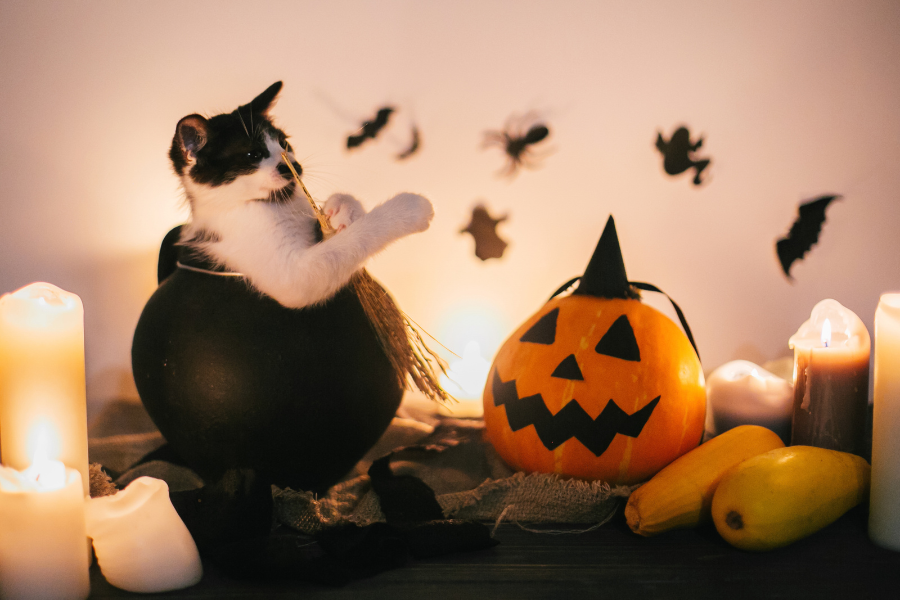
Halloween parties often include bowls of candy, baked treats, snack platters, and festive drinks. While these foods may be enjoyable for guests, some can be dangerous for dogs and cats. A pet might grab a piece of candy from a low table, lick a plate, or investigate a discarded wrapper when no one is watching. Halloween party foods that are toxic to pets can cause problems ranging from stomach upset to serious poisoning, depending on the ingredients and amount consumed. Knowing which foods to keep out of reach can help prevent accidents. Spencer Animal Hospital in Pasadena, TX, encourages pet owners to plan ahead, store party foods safely, and contact a veterinarian promptly if a pet eats something potentially harmful.
Which Halloween Party Foods Are Toxic to Pets?
Several common party foods can harm dogs and cats, including chocolate, sugar-free candy containing xylitol, grapes or raisins, and foods with certain ingredients. Rich or fatty dishes can also cause digestive problems. If your pet eats a potentially dangerous food, contact a veterinarian promptly rather than waiting for symptoms.
Some foods are particularly concerning because they contain substances that pets process differently from people. The risk depends on the ingredient, amount eaten, and your pet’s size and health. A small piece may still be a concern in some situations, so it is best not to guess whether an exposure is safe.
Keep these party foods away from pets:
- Chocolate desserts: Brownies, chocolate cake, candy bars, cocoa powder, and chocolate-covered snacks may contain theobromine and caffeine, which can affect the heart and nervous system.
- Sugar-free candy and gum: Some products contain xylitol, which can cause a dangerous drop in blood sugar in dogs and may lead to serious complications.
- Grapes and raisins: These can cause kidney injury in dogs. Avoid offering them as snacks or leaving them on snack platters within reach.
- Alcoholic drinks and alcohol-containing desserts: Alcohol can cause intoxication and serious health effects in pets.
- Rich, fatty foods: Greasy meats, buttery dishes, creamy dips, and high-fat leftovers may cause stomach upset and can contribute to pancreatitis.
- Macadamia nuts: These can cause illness in dogs, including weakness, vomiting, and difficulty walking.
- Foods containing onions or garlic: These ingredients can damage red blood cells, especially when eaten in significant amounts or repeatedly.
- Caffeinated foods and drinks: Coffee-flavored desserts, espresso treats, and other caffeinated products may cause harmful effects.
Not every food creates the same level of risk, but party tables can make it hard to know exactly what a pet has eaten. Keep food in closed containers and ask guests not to feed pets from their plates.
Why Are Chocolate, Candy, and Sugar-Free Treats Dangerous?
Some Halloween treats contain substances that can interfere with a pet’s heart, nervous system, blood sugar, or red blood cells. Chocolate contains theobromine and caffeine, while some sugar-free products contain xylitol. These ingredients can cause serious illness, and symptoms may not appear immediately.
Chocolate is a common concern because its risk depends on the type and amount consumed. Cocoa powder, baking chocolate, and dark chocolate generally contain more theobromine than milk chocolate. Signs of chocolate poisoning may include vomiting, diarrhea, restlessness, increased thirst, a rapid heartbeat, tremors, or seizures.
Xylitol is particularly dangerous to dogs. It may be found in sugar-free gum, candy, mints, and some baked goods. In dogs, exposure can cause blood sugar to drop quickly and may lead to liver injury. Always check ingredient labels rather than assuming a product is safe because it contains no sugar.
Other sweets may pose risks for different reasons:
- Candy wrappers can cause choking or an intestinal blockage.
- Hard candies can create a choking hazard, particularly for small pets.
- Chocolate-covered raisins combine more than one potential hazard.
- Desserts may contain alcohol, coffee, macadamia nuts, or other unsafe ingredients.
- Large amounts of sugary food can upset the digestive system, even when the ingredients are not directly toxic.
If your pet eats a treat and you are unsure of the ingredients, save the wrapper or take a clear photo of the label. Share that information with your veterinarian and explain how much may be missing. Do not wait for signs of illness if a toxic ingredient may be involved.
What Symptoms Can Toxic Halloween Foods Cause in Pets?
Symptoms vary depending on the food and the amount consumed. Some pets develop vomiting or diarrhea, while others may show restlessness, weakness, tremors, or changes in heart rate. Serious poisoning can cause seizures, collapse, or other life-threatening problems.
Watch for these possible signs:
- Vomiting, diarrhea, or excessive drooling.
- Loss of appetite or unusual stomach discomfort.
- Restlessness, pacing, or agitation.
- Increased thirst or urination.
- Weakness, stumbling, or difficulty walking.
- Tremors, seizures, or unusual muscle movements.
- Rapid or irregular heartbeat.
- Difficulty breathing, collapse, or reduced responsiveness.
A pet may initially seem normal after eating something dangerous. This does not mean the food was harmless. The timing of symptoms depends on the ingredient and the amount consumed, and some complications may develop later.
Contact a veterinarian immediately if your pet may have eaten chocolate, a product containing xylitol, grapes or raisins, alcohol, or another potentially toxic ingredient. Seek urgent care if your pet develops tremors, seizures, severe weakness, breathing difficulty, or collapse.
Do not try to judge the risk based only on how much food appears to be missing. A veterinarian can consider your pet’s weight, the ingredients, and the estimated amount consumed to determine what action is needed.
What Should I Do If My Pet Eats a Halloween Party Food?
If your pet eats a potentially toxic food, contact your veterinarian promptly. Explain what the food contained, how much may have been eaten, and when it happened. Quick guidance is important even if your pet has no symptoms.
Take these steps:
- Remove the remaining food: Prevent your pet from eating any more.
- Find the packaging or recipe: Check the ingredient list for chocolate, xylitol, raisins, alcohol, or other concerning substances.
- Estimate the amount: Tell the veterinarian how much may be missing and whether your pet swallowed any wrappers.
- Note the timing: Give the best estimate of when your pet ate the food.
- Watch for changes: Report vomiting, weakness, unusual behavior, tremors, or other symptoms.
- Follow veterinary instructions: Ask whether your pet needs to be examined immediately and how to proceed safely.
Do not induce vomiting or give milk, oil, salt, or other home remedies unless a veterinarian specifically tells you to do so. Some home treatments can cause additional harm or delay the care your pet needs.
Hypothetical example: During a Halloween gathering, a dog gets into a bag of sugar-free candy left beside a sofa. The owner notices the torn packaging and calls the veterinary clinic, sharing the product label, the dog’s weight, and an estimate of when the candy was eaten. The veterinarian uses those details to assess the potential risk and advise on immediate care rather than waiting for symptoms to develop.
If your pet is having seizures, struggling to breathe, collapsing, or becoming unresponsive, seek emergency veterinary care immediately. Call ahead if possible, but do not delay transport to collect every detail.
How Can I Keep Halloween Party Foods Away From Pets?
Preventing access is the safest way to reduce the risk of food-related illness during Halloween. Pets can reach more than you may expect, especially when guests are moving around, doors are opening, and food is left unattended.
Use these precautions before and during your party:
- Store candy, baked goods, and snacks in closed cupboards or secure containers.
- Keep serving tables and snack bowls out of reach.
- Ask guests not to feed pets from their plates.
- Pick up dropped food as soon as possible.
- Keep rubbish bins closed and remove food waste promptly.
- Store handbags and party bags where pets cannot reach them.
- Check labels on sugar-free candy, gum, and baked goods.
- Give your pet a quiet area away from the busiest part of the gathering.
- Keep your veterinarian’s contact details easy to find.
If children are attending, explain that pets should not be given candy or party snacks. Provide pet-safe treats for guests who want to reward your animal.
Remember that a food may be unsafe even if it is made with familiar ingredients or is sold as a sugar-free alternative. Read labels carefully, and avoid leaving unknown foods where pets can investigate them.
After the party, check the floor and furniture for dropped candy, wrappers, toothpicks, skewers, and other small items. A quick cleanup can help prevent an accident after the guests have left.
Conclusion
Halloween party foods can pose serious risks to dogs and cats, particularly when they contain chocolate, xylitol, grapes or raisins, alcohol, caffeine, or other harmful ingredients. Rich foods and swallowed wrappers can also cause health problems. Keep treats in secure containers, ask guests not to feed pets, and clean up leftovers promptly. If your pet eats something potentially toxic, save the packaging, estimate the amount consumed, and contact a veterinarian without waiting for symptoms. Spencer Animal Hospital in Pasadena, TX, encourages pet owners to take suspected food poisoning seriously and seek professional guidance when needed. A few simple precautions can help keep pets safer while everyone enjoys the celebration.
Frequently Asked Questions
Q1: What Halloween candy is toxic to dogs?
A: Chocolate and candy containing xylitol are major concerns, and products with raisins or other harmful ingredients may also be dangerous. Candy wrappers can create choking or blockage risks. If your dog eats an unknown candy, contact a veterinarian and share the packaging details.
Q2: Can cats eat Halloween candy?
A: Halloween candy is not an appropriate treat for cats. Chocolate can be toxic, and wrappers or hard candies can cause choking or digestive problems. Keep sweets away from cats and contact a veterinarian if your cat eats something potentially harmful.
Q3: What should I do if my pet eats chocolate at a party?
A: Contact a veterinarian promptly and share your pet’s weight, the type of chocolate, the estimated amount eaten, and when it happened. Do not wait for symptoms or try to induce vomiting unless a veterinarian specifically instructs you to do so.
Q4: Are sugar-free Halloween treats safe for pets?
A: Not necessarily. Some sugar-free products contain xylitol, which can cause a dangerous drop in blood sugar in dogs and may lead to serious complications. Check the ingredient label and contact a veterinarian immediately if your pet may have eaten a product containing xylitol.
Q5: When should I seek urgent veterinary care after my pet eats party food?
A: Contact a veterinarian promptly after suspected ingestion of a toxic ingredient, even if your pet appears normal. Seizures, collapse, breathing difficulty, severe weakness, or tremors require urgent attention. Keep the product label or recipe available to help the veterinary team assess the exposure.
Recent Posts

About Spencer Animal Hospital
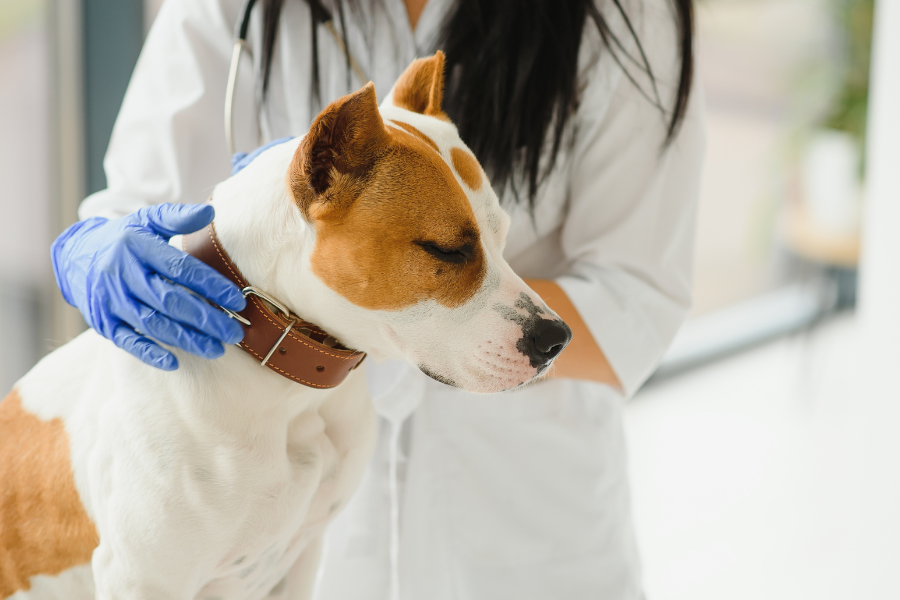
Spencer Animal Hospital is a staple of the Pasadena community. Our veterinarians and staff have been providing high-quality, compassionate veterinary medicine since 1974. As a full-service veterinarian in Pasadena, TX, we serve dogs and cats with expert, personalized, affordable care.