
How to Tell If Your Pet Has Dental Disease Before It Gets Serious
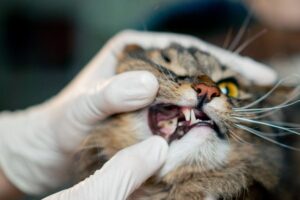
Dental problems are one of the most common health issues in pets, yet they often go unnoticed until they become painful and expensive to treat. Early signs of dental disease can be subtle, including bad breath, changes in eating habits, or swollen gums. This guide explains how to spot the warning signs early, why dental care matters, and what pet owners can do to protect their dog or cat from serious oral health problems.
What Is Dental Disease in Pets?
Dental disease refers to infections and inflammation affecting your pet’s teeth, gums, and surrounding tissues. It usually begins with plaque buildup, which hardens into tartar over time. If left untreated, bacteria can spread below the gumline, leading to painful infections, tooth loss, and even damage to internal organs.
By age three, many dogs and cats already show signs of periodontal disease. Small dog breeds and older pets are especially at risk, but any pet can develop oral health issues without proper dental care.
Early Signs of Dental Disease You Should Never Ignore
Pets are very good at hiding pain. That’s why dental disease often becomes advanced before owners realize something is wrong. Watching for these early symptoms can help you act before the condition worsens.
Persistent Bad Breath
Bad breath is one of the first warning signs of oral disease. While “dog breath” or “cat breath” may seem normal, a strong or foul odor usually signals bacterial buildup or infection.
Red or Swollen Gums
Healthy gums should appear pink and firm. If your pet’s gums look red, swollen, or bleed easily, this may indicate gingivitis or periodontal disease.
Yellow or Brown Tartar Buildup
Tartar often forms near the gumline and may appear as yellow, brown, or gray buildup on the teeth. Heavy tartar traps bacteria and increases the risk of infection.
Difficulty Eating or Chewing
A pet with dental pain may:
- Chew on one side of the mouth
- Drop food while eating
- Avoid hard food or treats
- Eat more slowly than usual
Some pets may stop eating altogether when the pain becomes severe.
Pawing at the Mouth
Frequent pawing at the face or rubbing the mouth against furniture can be a sign of oral discomfort.
Excessive Drooling
Drooling may increase when a pet has inflamed gums, tooth pain, or oral infections. In some cases, you may notice blood in the saliva.
Loose or Missing Teeth
Adult pets should not lose teeth under normal conditions. Loose or missing teeth are usually signs of advanced dental disease.
Why Dental Disease Is More Serious Than Many Owners Realize?
Dental disease affects more than just the mouth. Harmful bacteria can enter the bloodstream and impact major organs, including:
- The heart
- Liver
- Kidneys
Untreated oral infections can lower your pet’s quality of life and lead to chronic pain. Pets may continue acting normal while silently suffering, which is why preventive dental care is so important.
Common Causes of Dental Disease in Dogs and Cats
Several factors increase the risk of dental disease in pets.
Poor Oral Hygiene
Without regular brushing and professional cleanings, plaque and tartar build up quickly.
Age
Older pets are more likely to develop periodontal disease due to years of plaque accumulation.
Breed Size
Small dog breeds often experience overcrowded teeth, making them more prone to tartar buildup and gum disease.
Diet
Soft or sticky foods may contribute to plaque formation. Some dental diets are designed to reduce tartar accumulation.
Genetics
Certain pets naturally have weaker enamel or are more likely to develop dental issues.
How Veterinarians Diagnose Dental Disease?
A veterinarian can often spot signs of dental disease during a physical exam, but many problems hide beneath the gumline. Dental X-rays are commonly used to evaluate tooth roots, bone loss, and hidden infections.
A professional dental evaluation may include:
- Oral examination
- Dental probing
- Digital dental X-rays
- Professional cleaning under anesthesia
This allows the veterinary team to identify issues before they become severe.
How to Prevent Dental Disease in Pets?
Preventive care is the best way to protect your pet’s oral health and avoid costly procedures later.
Brush Your Pet’s Teeth Regularly
Daily brushing is one of the most effective ways to reduce plaque buildup. Use a pet-safe toothpaste since human toothpaste can be harmful to animals.
Schedule Routine Dental Checkups
Annual dental exams help catch problems early. Some pets may need more frequent cleanings depending on age and breed.
Use Dental Chews and Toys
Approved dental treats and chew toys can help reduce plaque while supporting healthier gums.
Feed a Dental-Friendly Diet
Certain veterinary diets are formulated to slow tartar accumulation and improve oral hygiene.
Watch for Behavioral Changes
Even subtle changes in eating, chewing, or mood can indicate oral discomfort. Early action can prevent more serious complications.
When Does Your Pet Need Professional Dental Treatment?
Home care alone cannot remove hardened tartar beneath the gums. If your pet already has signs of dental disease, professional treatment may be necessary.
Treatment options may include:
- Professional dental cleaning
- Tooth extractions
- Antibiotics for infection
- Pain management
- Deep periodontal cleaning
The earlier treatment begins, the better the outcome for your pet.
How Often Should Pets Have Dental Exams?
Most pets should receive a dental evaluation at least once a year. However, pets with existing dental problems, small breeds, or senior animals may need more frequent monitoring.
Regular exams help detect:
- Gum disease
- Cracked teeth
- Oral tumors
- Tooth root infections
- Bone loss
Routine preventive care is usually far less expensive and less stressful than emergency dental treatment.
Signs Your Pet May Need Immediate Dental Care
Contact your veterinarian promptly if you notice:
- Severe swelling around the mouth
- Bleeding gums
- Refusal to eat
- Loose teeth
- Facial swelling
- Crying while chewing
- Sudden behavioral changes
These symptoms may indicate advanced infection or severe pain requiring urgent attention.
Conclusion
Dental disease can quietly affect your pet long before obvious symptoms appear. Watching for early warning signs like bad breath, swollen gums, tartar buildup, and eating changes can help prevent painful complications later. Consistent pet dental care, routine exams, and professional cleanings all play an important role in keeping your pet healthy and comfortable for years to come.
If you think your pet may be showing signs of dental disease, and you are looking for a reliable veterinarian near you, then schedule a dental evaluation with Spencer Animal Hospital in Pasadena, TX, to help protect their long-term health and comfort.
FAQs
Q1: What are the first signs of dental disease in pets?
Ans: The earliest signs often include bad breath, red gums, tartar buildup, drooling, and changes in eating behavior.
Q2: Can dental disease make my pet sick?
Ans: Yes, bacteria from dental infections can spread through the bloodstream and affect organs such as the heart, liver, and kidneys.
Q3: How often should I brush my pet’s teeth?
Ans: Daily brushing is ideal for preventing plaque and tartar buildup, but even a few times per week can help improve oral health.
Q4: Do pets need professional dental cleanings?
Ans: Yes, professional cleanings remove tartar below the gumline where brushing cannot reach and help prevent serious periodontal disease.
Q5: Is bad breath in pets normal?
Ans: Mild odor can occur, but strong or foul-smelling breath is often a sign of dental disease or oral infection and should be checked by a veterinarian.
Recent Posts




About Spencer Animal Hospital
Spencer Animal Hospital is a staple of the Pasadena community. Our veterinarians and staff have been providing high-quality, compassionate veterinary medicine since 1974. As a full-service veterinarian in Pasadena, TX, we serve dogs and cats with expert, personalized, affordable care.