
Rescue Dogs and the 3-3-3 Rule: A Simple Adjustment Guide

Bringing home a rescue dog is exciting, but it can also feel overwhelming for both you and your new pet. Many adopted dogs need time to feel safe, understand routines, and trust their new family. The 3-3-3 rule is a simple guideline that helps pet owners understand what to expect during the first days, weeks, and months after adoption.
In this guide, you’ll learn how the 3-3-3 rule works, what behaviors are normal, and how to help your rescue dog adjust smoothly. Whether your dog seems shy, nervous, or overly energetic, patience and consistency can make a huge difference.
What Is the 3-3-3 Rule for Rescue Dogs
The 3-3-3 rule is a general timeline that explains how many rescue dogs adapt after entering a new home. It breaks the adjustment period into three stages:
- First 3 days: Feeling overwhelmed and unsure
- First 3 weeks: Learning routines and beginning to settle
- First 3 months: Building trust and feeling at home
Every dog is different, so some may adjust faster while others need more time. The goal of the 3-3-3 rule is to help owners set realistic expectations.
First 3 Days: Overwhelmed and Unsure
The first few days in a new home can be stressful for a rescue dog. Imagine being placed in a completely unfamiliar place with new people, smells, and sounds.
Common Behaviors During the First 3 Days
Your dog may:
- Hide under furniture
- Refuse food or water at first
- Sleep a lot
- Bark or whine
- Have accidents indoors
- Seems fearful or distant
These reactions are normal. Your dog is trying to process a major life change.
How to Help During This Stage
- Keep the environment calm and quiet
- Give your dog a safe resting space
- Use a gentle tone of voice
- Avoid inviting many visitors
- Let the dog approach you at their own pace
- Keep walks short and low-stress
Do not force affection or interaction. Building trust starts with patience.
First 3 Weeks: Learning the Routine
Around the second or third week, many dogs begin to understand daily life in their new home. They may start showing more personality and curiosity.
What You Might Notice
During this stage, your rescue dog may:
- Become more playful
- Eat regularly
- Follow household routines
- Show attachment to family members
- Test boundaries
- Display mild behavior issues like chewing or barking
This is often when owners feel more connected, but it is also when training becomes important.
Best Ways to Support Your Dog
- Start a predictable feeding schedule
- Use positive reinforcement training
- Continue regular potty breaks
- Introduce basic commands like sit and stay
- Reward calm behavior
- Maintain consistent house rules
Dogs thrive when they know what to expect.
First 3 Months: Feeling at Home
By the three-month mark, many rescue dogs feel safer and more secure. Trust grows, routines feel familiar, and stronger bonds develop.
Signs Your Dog Is Adjusting Well
Look for these positive changes:
- Relaxed body language
- Better sleep patterns
- Confidence during walks
- Seeking affection
- Improved response to commands
- Less anxiety when left alone
This stage often reveals your dog’s true personality. Some become cuddly, playful, protective, or independent.
Why the 3-3-3 Rule Matters
The 3-3-3 rule helps prevent unrealistic expectations. Some owners worry when a new dog hides, ignores commands, or seems withdrawn. In many cases, these behaviors are temporary.
Understanding the adjustment timeline can help you:
- Reduce frustration
- Build trust faster
- Avoid punishment-based mistakes
- Recognize stress signals
- Create a more positive adoption experience
Patience often leads to long-term success.
Common Mistakes to Avoid With Rescue Dogs
Moving Too Fast
Introducing crowded parks, parties, or multiple pets right away can overwhelm a rescue dog.
Inconsistent Rules
If one family member allows couch access and another does not, dogs can become confused.
Punishing Fearful Behavior
Fear-based accidents, barking, or hiding should be handled with calm guidance, not punishment.
Expecting Instant Bonding
Some dogs connect quickly, while others need weeks or months.
Tips to Make the Transition Easier
Create a Safe Zone
Set up a crate or quiet corner with bedding and toys.
Keep a Routine
Feed, walk, and potty your dog at similar times daily.
Use Positive Reinforcement
Treats, praise, and rewards help build confidence.
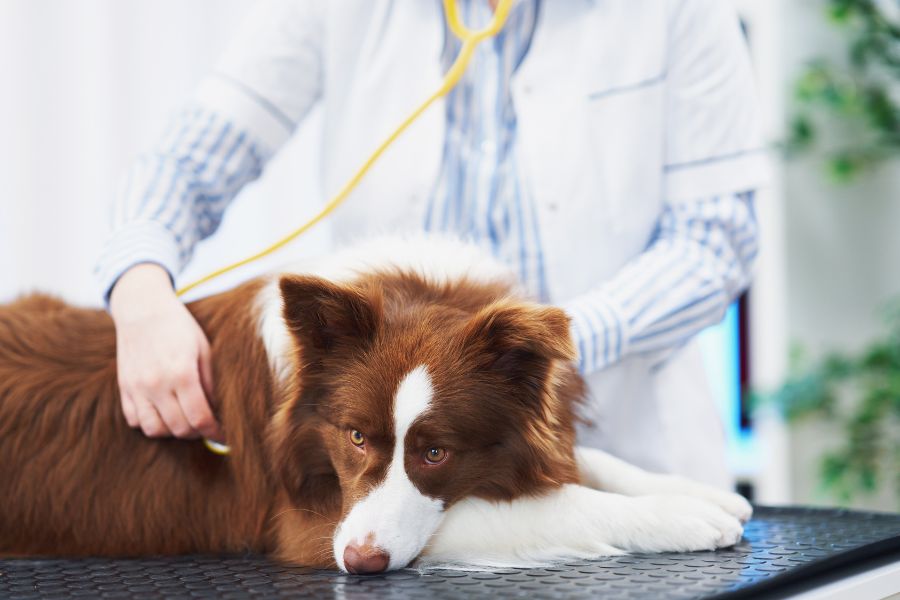
Schedule a Wellness Exam
A veterinary checkup can identify health concerns that may affect behavior, appetite, or energy levels.
Be Patient
Trust is earned over time, especially for dogs with uncertain past experiences.
When to Seek Professional Help
While the 3-3-3 rule works for many dogs, some need extra support. Reach out to a veterinarian or trainer if your dog shows:
- Aggression
- Extreme fear
- Refusal to eat for more than 24 hours
- Severe separation anxiety
- Ongoing accidents after routine training
- Destructive behaviors
Early help can make the adjustment much easier.
The 3-3-3 rule offers a helpful roadmap for understanding your rescue dog’s transition into a new home. The first three days may feel uncertain, the first three weeks bring progress, and the first three months often reveal a happy, trusting companion. With patience, consistency, and care, your dog can thrive. If you need support during your pet’s transition, contact Spencer Animal Hospital in Pasadena, TX to schedule an appointment.
FAQs
Q1: What is the 3-3-3 rule for rescue dogs?
Ans: The 3-3-3 rule explains how many adopted dogs adjust over the first 3 days, 3 weeks, and 3 months in a new home.
Q2: Does every rescue dog follow the 3-3-3 rule?
Ans: No, every dog is different. Some adjust faster, while others need more time, depending on age, history, and temperament.
Q3: What should I do during the first 3 days with a rescue dog?
Ans: Keep things calm, provide a safe space, maintain a simple routine, and allow your dog to approach at their own pace.
Q4: Why is my rescue dog hiding after adoption?
Ans: Hiding is common because new surroundings can feel stressful. Many dogs begin opening up once they feel safe.
Q5: When should I worry about my rescue dog not adjusting?
Ans: If your dog shows aggression, severe fear, ongoing appetite loss, or extreme anxiety, contact a veterinarian or behavior professional.
Recent Posts


About Spencer Animal Hospital
Spencer Animal Hospital is a staple of the Pasadena community. Our veterinarians and staff have been providing high-quality, compassionate veterinary medicine since 1974. As a full-service veterinarian in Pasadena, TX, we serve dogs and cats with expert, personalized, affordable care.