
How Often Should You Take Your Cat or Dog to the Vet? A Complete Wellness Schedule

Many pet owners wonder how often their cat or dog really needs to see the vet. The answer depends on your pet’s age, breed, lifestyle, and overall health. A regular wellness schedule helps catch health issues early, keeps vaccinations current, and supports a longer, healthier life for your furry companion. In this guide, you’ll learn how often to take your cat or dog to the vet, what happens during wellness exams, and how preventive care changes from puppyhood and kittenhood through the senior years.
Why Regular Vet Visits Matter?
Routine veterinary care is one of the best ways to protect your pet’s health. Many illnesses, including dental disease, arthritis, diabetes, and kidney problems, develop gradually and may not show obvious symptoms at first.
Regular wellness visits help veterinarians:
- Detect health issues early
- Monitor weight and nutrition
- Update vaccines
- Check for parasites
- Evaluate dental health
- Track behavior and mobility changes
- Recommend preventive screenings
Preventive care is usually less expensive and more effective than treating advanced illnesses later.
How Often Should Puppies and Kittens Go to the Vet?
Young pets need frequent veterinary visits during their first year because their immune systems are still developing.
Recommended Schedule for Puppies and Kittens
Most puppies and kittens should visit the vet:
- Every 3 to 4 weeks until about 16 weeks old
- Around 6 months for spay or neuter evaluation
- At 1 year for an adult wellness exam
During these visits, your veterinarian may provide:
- Core vaccinations
- Deworming treatments
- Flea and tick prevention
- Nutrition guidance
- Growth monitoring
- Behavioral advice
Common Vaccines for Puppies
Core dog vaccines often include:
- Rabies
- Distemper
- Parvovirus
- Adenovirus
Common Vaccines for Kittens
Core cat vaccines often include:
- Rabies
- FVRCP vaccine
- Feline leukemia testing or vaccination when needed
These early appointments build the foundation for lifelong health.
How Often Should Adult Dogs and Cats Visit the Vet?
Healthy adult pets usually need a wellness exam once a year. Annual visits allow veterinarians to monitor subtle changes that may otherwise go unnoticed.
What Happens During an Annual Wellness Exam?
A typical wellness exam may include:
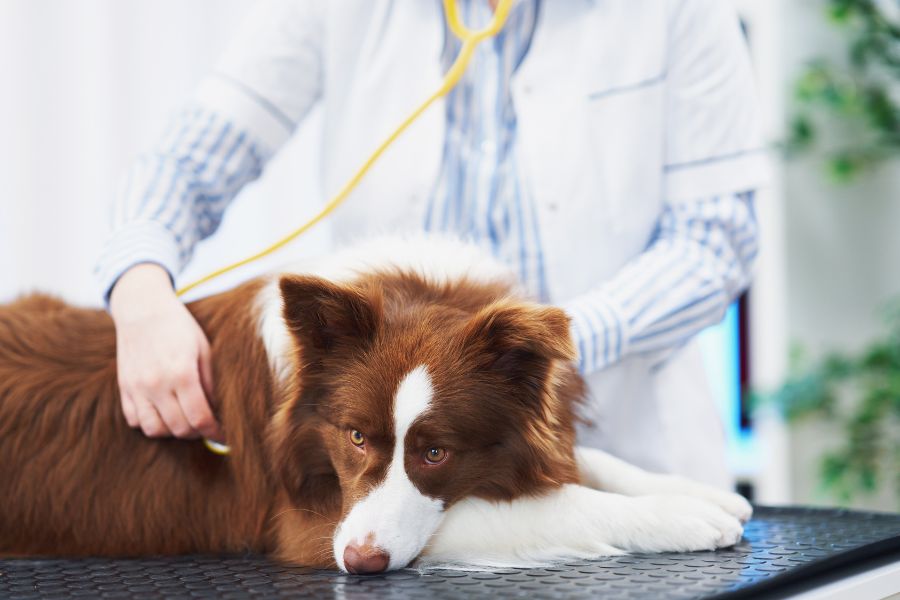
- Full physical examination
- Weight and body condition check
- Heart and lung evaluation
- Skin and coat assessment
- Ear and eye examination
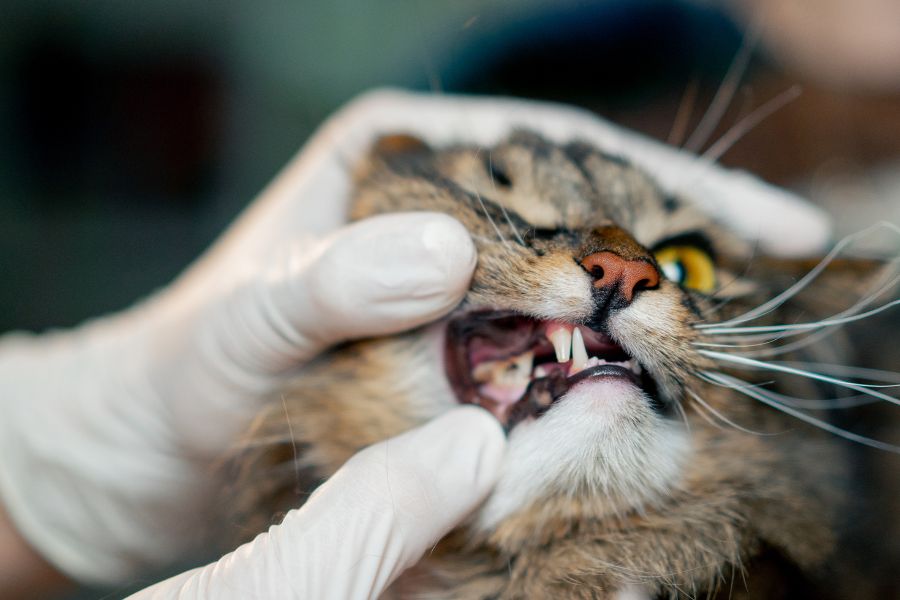
- Dental evaluation
- Parasite screening
- Vaccine updates
Your veterinarian may also discuss:
- Diet and exercise
- Behavioral concerns
- Allergy symptoms
- Changes in appetite or energy
Even indoor cats benefit from annual veterinary visits because they can still develop dental disease, obesity, urinary problems, and chronic illnesses.
Wellness Schedule for Senior Pets
As pets age, they become more likely to develop chronic health conditions. Senior dogs and cats generally benefit from veterinary visits every 6 months.
Most pets are considered seniors around:
- Age 7 for many dogs
- Age 10 for many cats
- Earlier for giant dog breeds
Why Senior Pets Need More Frequent Exams?
Health conditions can progress quickly in older pets. Twice-yearly exams help detect issues before they become serious.
Senior wellness visits may include:
- Bloodwork
- Urinalysis
- Blood pressure monitoring
- Arthritis assessments
- Thyroid testing
- Kidney and liver screening
- Mobility evaluations
Common senior pet conditions include:
- Arthritis
- Diabetes
- Kidney disease
- Heart disease
- Cancer
- Cognitive decline
Early diagnosis often improves treatment outcomes and quality of life.
Signs Your Pet Should See a Vet Sooner
You should not wait for a scheduled wellness visit if your pet shows signs of illness or discomfort.
Call Your Vet If Your Pet Has:
- Vomiting or diarrhea lasting more than 24 hours
- Sudden weight loss
- Loss of appetite
- Excessive thirst
- Difficulty breathing
- Limping or trouble standing
- Persistent scratching
- Bad breath
- Changes in behavior
- Trouble urinating
- Seizures
- Lethargy
Cats especially tend to hide illness, so even subtle changes can be important.
How Dental Care Fits Into a Wellness Schedule?
Dental health is a major part of preventive care. Many dogs and cats develop dental disease by age 3.
Poor oral health can lead to:
- Pain
- Tooth loss
- Infections
- Heart and kidney complications
Your veterinarian may recommend:
- Annual dental exams
- Professional cleanings
- Dental X-rays
- Home dental care routines
Signs of dental disease include bad breath, drooling, chewing difficulty, and red gums.
Indoor Pets Still Need Regular Vet Care
Many owners assume indoor pets do not need routine veterinary visits, but that is not true.
Indoor pets can still develop:
- Obesity
- Dental disease
- Allergies
- Arthritis
- Diabetes
- Urinary tract problems
Annual exams help maintain long-term health and identify problems early.
Preventive Care Saves Money Long-Term
Routine wellness visits may seem unnecessary when pets appear healthy, but preventive care often reduces long-term medical costs.
For example:
- Treating early dental disease costs less than tooth extractions
- Managing early kidney disease can slow progression
- Weight management reduces arthritis complications
- Vaccines help prevent expensive emergency treatments
Consistent veterinary care also helps pets live longer, healthier lives.
Creating the Right Wellness Plan for Your Pet
Every pet is different. Breed, age, medical history, and lifestyle all influence how often veterinary care is needed.
A personalized wellness schedule may include:
| Life Stage | Recommended Vet Visits |
| Puppies/Kittens | Every 3 to 4 weeks until 16 weeks |
| Healthy Adults | Once yearly |
| Senior Pets | Every 6 months |
| Pets with Chronic Conditions | As recommended by your veterinarian |
Working closely with your veterinarian helps ensure your pet receives the right preventive care at every stage of life.
Conclusion
Knowing how often to take your cat or dog to the vet is one of the most important parts of responsible pet ownership. Regular wellness exams help detect health problems early, keep vaccinations updated, and support your pet’s overall well-being throughout every stage of life.
Whether you have a playful puppy, an independent cat, or a senior companion needing extra support, preventive veterinary care makes a meaningful difference. Schedule your pet’s wellness exam with your Pasadena veterinarian at Spencer Animal Hospital and help your furry family member stay healthy for years to come.
FAQs
Q1: How often should healthy dogs go to the vet?
Ans: Healthy adult dogs should generally visit the vet once a year for a wellness exam, vaccinations, and preventive screenings.
Q2: Do indoor cats need annual vet visits?
Ans: Yes. Indoor cats can still develop health problems like dental disease, obesity, and kidney issues, making annual exams important.
Q3: At what age is a pet considered senior?
Ans: Most dogs are considered seniors around age 7, while cats are usually considered seniors around age 10.
Q4: What happens during a pet wellness exam?
Ans: A wellness exam typically includes a physical exam, weight check, vaccine review, parasite screening, and dental assessment.
Q5: How often should senior pets see the vet?
Ans: Senior pets should usually see the vet every 6 months because health conditions can develop and progress more quickly with age.
Recent Posts


About Spencer Animal Hospital
Spencer Animal Hospital is a staple of the Pasadena community. Our veterinarians and staff have been providing high-quality, compassionate veterinary medicine since 1974. As a full-service veterinarian in Pasadena, TX, we serve dogs and cats with expert, personalized, affordable care.