
Pet Cancer Awareness: 10 Early Signs You Shouldn’t Miss

Pet cancer is more common than many owners realize, especially as dogs and cats age. Catching warning signs early can improve treatment options, comfort, and quality of life. In this guide, you’ll learn 10 early symptoms of pet cancer that should never be ignored, what they may mean, and when to schedule a veterinary exam.
Why Pet Cancer Awareness Matters
Cancer is one of the leading health concerns in older pets. While not every lump, cough, or appetite change means cancer, unusual symptoms should always be checked. Early diagnosis can make a major difference in treatment success.
Some forms of pet cancer respond well when found in the beginning stages. Others can be managed longer with prompt care. That is why routine wellness exams and paying attention to small changes at home are so important.
1. Lumps or Bumps That Change in Size
A new lump under the skin is one of the most common early warning signs. Some masses are harmless fatty growths, while others may be cancerous.
Watch for:
- Fast-growing lumps
- Hard or irregular masses
- Swelling that does not go away
- Bumps that bleed or ulcerate
Any new lump should be examined by your veterinarian, especially in senior pets.
2. Unexplained Weight Loss
If your pet is losing weight without diet changes or increased exercise, it may signal an underlying illness. Cancer can affect metabolism, digestion, or appetite.
Even gradual weight loss matters. Many owners miss this sign because pets still seem active at first.
3. Loss of Appetite
A reduced interest in food that lasts more than a day or two should be taken seriously. Some cancers cause nausea, pain, or organ dysfunction that lowers appetite.
Signs include:
- Leaving food unfinished
- Refusing favorite treats
- Eating less than normal
- Dropping food while chewing
4. Bad Breath or Mouth Changes
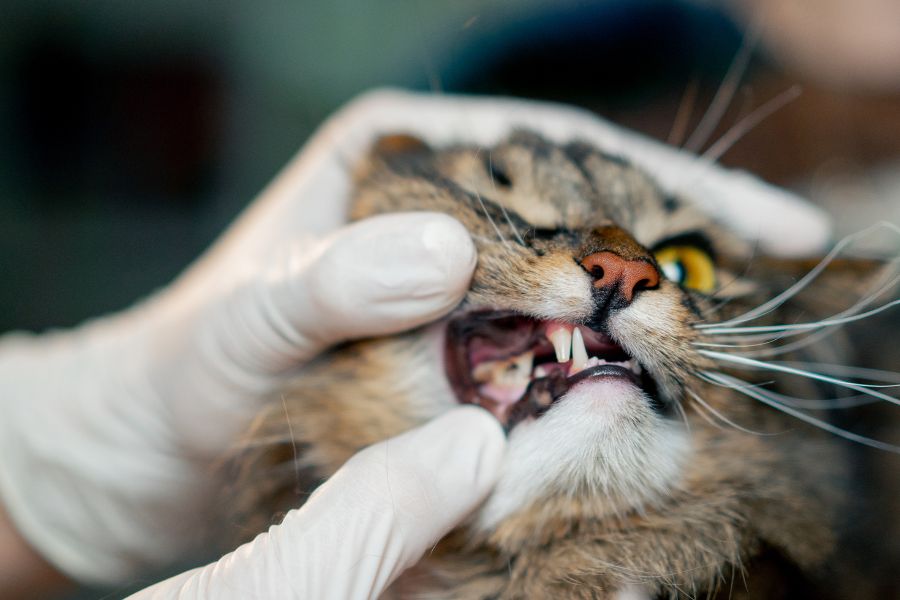
Persistent bad breath is not always just dental disease. Oral tumors can develop in dogs and cats and may cause:
- Drooling
- Bleeding gums
- Difficulty chewing
- Facial swelling
- Loose teeth
Mouth cancers can spread quickly, so early evaluation is important.
5. Ongoing Vomiting or Diarrhea
Digestive upset that keeps returning may indicate intestinal disease, inflammation, or pet cancer affecting the stomach or intestines.
Occasional stomach upset can happen, but repeated vomiting or diarrhea needs medical attention, especially if paired with weight loss.
6. Trouble Breathing or Persistent Cough
Breathing changes should never be ignored. Lung tumors, chest masses, or cancer spreading from another area may cause respiratory symptoms.
Call your vet if you notice:
- Rapid breathing at rest
- Wheezing
- Chronic cough
- Labored breathing
- Low energy after mild activity
7. Lethargy and Reduced Activity
If your normally playful pet seems tired all the time, there may be an underlying cause. Cancer can drain energy through pain, anemia, or organ stress.
Look for:
- Sleeping more than usual
- Avoiding walks or play
- Slow movement
- Hiding behavior in cats
8. Difficulty Using the Bathroom
Straining to urinate or defecate can happen with infections, constipation, or tumors affecting the bladder, colon, or prostate.
Warning signs include:
- Frequent attempts to urinate
- Blood in urine
- Constipation
- Pain while passing stool
- Accidents indoors
9. Limping or Ongoing Pain
Bone cancer and joint tumors may first appear as limping or stiffness. Many owners assume arthritis is the only cause, especially in older dogs. Seek evaluation if limping lasts more than a few days or returns repeatedly.
10. Wounds That Do Not Heal
Skin sores or wounds that fail to heal may be linked to infection, immune issues, or skin cancer.
Pay attention to:
- Bleeding sores
- Crusting lesions
- Recurrent skin irritation
- Areas that worsen over time
Which Pets Are More at Risk
While pet cancer can affect any animal, risk often increases with age. Some breeds may also have higher rates of specific cancers.
Higher-risk groups may include:
- Senior dogs and cats
- Large breed dogs
- Pets with previous tumors
- Pets exposed to secondhand smoke
- Animals with limited veterinary checkups
What to Do If You Notice These Signs
Do not panic if your pet has one of these symptoms. Many signs can come from non-cancerous conditions. The key is not to wait too long.
Your veterinarian may recommend:
- Physical exam
- Bloodwork
- X-rays or ultrasound
- Needle aspirate of a lump
- Biopsy if needed
These tests help identify the cause and guide treatment.
How Early Detection Helps
Finding cancer early may allow:
- Smaller surgeries
- More treatment choices
- Better pain control
- Longer survival times
- Improved quality of life
Routine wellness exams are one of the best tools for catching disease before symptoms become severe.
Recognizing the early warning signs of pet cancer can help protect your pet’s health and comfort. If you notice lumps, appetite loss, weight changes, coughing, or unusual behavior, schedule a pet wellness appointment promptly. The team at Spencer Animal Hospital in Pasadena, TX, is here to support your pet with compassionate care and timely diagnostics. Call today to book an appointment.
FAQs
Q1: What are the first signs of pet cancer?
Ans: Early signs of pet cancer often include lumps, weight loss, appetite changes, lethargy, limping, or breathing issues.
Q2: Is every lump on my dog cancer?
Ans: No, many lumps are benign growths such as fatty tumors or cysts. However, every new lump should be checked by a veterinarian.
Q3: Can cats get cancer, too?
Ans: Yes, cats can develop several cancers, including lymphoma, skin cancer, and oral tumors.
Q4: How is pet cancer diagnosed?
Ans: Diagnosis may involve exams, blood tests, imaging, needle samples, and biopsies, depending on the symptoms.
Q5: Can pet cancer be treated?
Ans: Many cases can be treated or managed with surgery, chemotherapy, radiation, or supportive care, depending on the type and stage.
Recent Posts


About Spencer Animal Hospital
Spencer Animal Hospital is a staple of the Pasadena community. Our veterinarians and staff have been providing high-quality, compassionate veterinary medicine since 1974. As a full-service veterinarian in Pasadena, TX, we serve dogs and cats with expert, personalized, affordable care.