
Dog Laser Therapy in Pasadena, TX
A gentle, non-invasive way to relieve your dog's pain and support faster healing without medication.
Laser Therapy for Chronic and Acute Pain
Laser therapy, also known as cold laser therapy or low-level laser therapy, offers dogs a pain-free, non-invasive option for managing discomfort and supporting the body's natural healing process. Rather than relying on medication, this treatment uses targeted light energy to work at the cellular level, making it a valuable tool for dogs dealing with everything from post-surgical recovery to chronic joint pain.
At Spencer Animal Hospital in Pasadena, TX(opens in new tab), we use laser therapy to treat a wide range of acute and chronic conditions in dogs. Because it's drug-free and non-invasive, it's often a welcome addition to a treatment plan, whether used on its own or alongside other therapies. If your dog is dealing with ongoing pain, a slow-healing wound, or recovering from surgery, laser therapy may be worth discussing at your next visit.
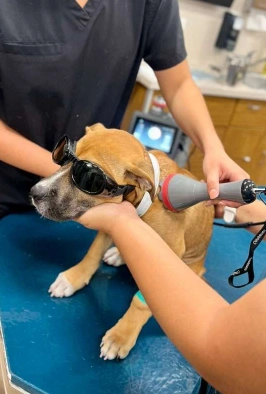

How Laser Therapy Works
Laser therapy uses focused light energy that penetrates deep into your dog's tissue, triggering a series of beneficial photochemical reactions at the cellular level. These reactions offer several therapeutic effects:
- The laser energizes cells, helping damaged tissue heal more quickly than it would on its own.
- Treatment triggers the release of endorphins, the body's natural pain-relieving chemicals, helping reduce discomfort without medication.
- By activating the lymphatic drainage system and opening blood vessels, laser therapy helps flush inflammation from the treated area and improve circulation.
Conditions We Treat With Laser Therapy
Laser therapy can benefit dogs dealing with a wide variety of acute and chronic issues, including:
- Post-operative recovery (used routinely after surgical procedures)
- Wound healing
- Arthritis
- Intervertebral disc disease
- Ear infections
- Lick granulomas and other skin conditions
- Hip dysplasia
- Gingivitis
- Back pain
- Sprains and strains
Senior and geriatric dogs, who often deal with age-related aches, joint stiffness, and reduced mobility, tend to see particularly meaningful benefits from laser therapy; many owners notice their dog moving more comfortably and enjoying a better quality of life after a course of treatment.
What Happens During a Laser Therapy Session
Laser therapy sessions are straightforward and generally well-tolerated by dogs. Here's what a typical visit looks like:
- Evaluation and Treatment Planning: Your veterinarian will assess your dog's condition and determine whether laser therapy is appropriate, then build a treatment schedule based on their specific needs.
- Safety Preparation: Everyone present during the session, including your dog, wears protective goggles to shield their eyes from the laser light.
- Treatment Application: The laser is applied directly to the treatment area. Sessions are quick, generally lasting anywhere from 5 to 30 minutes depending on the condition being treated.
- Comfort and Support: You're welcome to stay in the room and hold or pet your dog throughout the session to help keep them calm. Most dogs tolerate the treatment well and even seem to enjoy the sessions.
- Ongoing Treatment Schedule: Because the benefits of laser therapy are cumulative, your dog will typically need multiple sessions. Treatment often starts more frequently and gradually tapers as their condition improves.

Is Laser Therapy Right for Your Dog?
Laser therapy is considered one of the safest treatment options available, with no known side effects, making it appropriate for dogs of nearly any age or condition. It's especially well-suited for:
- Dogs recovering from recent surgery
- Senior dogs managing arthritis or chronic joint pain
- Dogs with slow-healing wounds or skin irritation
- Dogs dealing with chronic ear infections or gingivitis
- Dogs with back pain or disc-related discomfort
There are only a few situations where laser therapy isn't recommended, namely, dogs currently being treated for cancer and pregnant dogs, where the laser is avoided over the area of the uterus. Our veterinary team will evaluate your dog's specific condition to confirm whether laser therapy is a good fit.

What to Expect Over a Course of Treatment
Laser therapy isn't a single-visit fix; its effectiveness builds over time. Depending on the condition being treated and how your dog responds, sessions may start as often as once a week. As improvement takes hold, most treatment plans taper down to once every two weeks, and eventually to monthly maintenance sessions. Your veterinarian will tailor this schedule specifically to your dog, adjusting frequency based on their progress along the way.
Help Your Dog Function Better
At Spencer Animal Hospital in Pasadena, TX, laser therapy may help dogs manage chronic pain, slow-healing injuries, or age-related discomfort through a gentle, non-invasive approach. Get in touch with us at (281) 476-0066 to schedule an evaluation and discuss whether laser therapy may be appropriate for your dog’s care plan.