
Cat Dermatology and Allergy Treatment in Pasadena, TX
Personalized care designed to identify and address the source of your cat’s skin and allergy concerns.
Diagnosing the Cause of Your Cat’s Skin Problems
Cats can develop allergies just like people do, and more often than not, those allergies show up as skin problems rather than the sneezing or watery eyes we associate with our own allergic reactions. But allergies aren't the only culprit behind a cat's itchy, irritated skin; hormonal imbalances, infections, parasites, and other underlying conditions can all produce similar symptoms.
At Spencer Animal Hospital, we take the time to properly investigate what's actually driving your cat's skin condition rather than treating symptoms alone. That thorough approach is what allows us to build a management plan aimed at real, lasting relief instead of a temporary fix that leaves the underlying issue untouched.
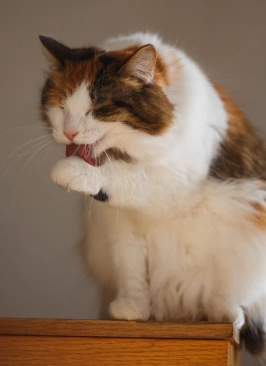

Types of Skin Conditions in Cats
Skin conditions in cats generally fall into one of two categories:
- Curable conditions: which are typically caused by a topical infection, either bacterial or yeast, or by parasites. These conditions often clear up fully once properly diagnosed and treated.
- Incurable conditions: which stem from deeper underlying issues such as hypothyroidism, Cushing's disease, autoimmune disorders, or allergies to something in the environment, food, or materials your cat comes into contact with.
While incurable conditions can't always be resolved permanently, they're frequently very manageable. The key is developing a clear understanding of what's actually causing the problem, which is exactly what our diagnostic process is designed to uncover.
Testing for Allergies in Feline
Because so many skin conditions look similar on the surface, pinpointing the true cause requires careful diagnostic testing. We run a range of tests to rule out other conditions and narrow in on what's really affecting your cat.
Common signs that your cat may be dealing with allergies include:
- Excessive scratching, either year-round or during certain seasons
- Licking or biting at their paws
- Over-grooming, which can lead to bald or thinning patches
- Hair loss (alopecia)
- Scabs or bumps on the skin
- Frequent ear infections
- A noticeable odor coming from the skin
If we suspect allergies, we can send a blood sample to an outside laboratory for allergy testing. The results identify the specific allergen behind your cat's reactions, which helps us determine whether that allergen can be avoided altogether or whether your cat will need ongoing allergy management through medication or topical treatment.

Common Allergens Affecting Cats
Cats can develop allergic reactions to many of the same substances that trigger allergies in people, including:
- Pollens
- Molds
- Dust and dust mites
- Flea saliva (a condition known as flea bite dermatitis)
- Certain materials
- Dander
- Food ingredients such as dairy, eggs, pork, or beef
Identifying which of these is affecting your cat is a critical step, since the right treatment approach often depends heavily on the specific allergen involved.

How We Treat Your Cat's Skin Condition
Once we've identified what's behind your cat's skin irritation, we'll recommend a treatment plan, often a combination of approaches, tailored to their specific condition. Options may include:
- Daily Oral Medication: Atopica is available as an oral solution for cats, offering an option for ongoing control of allergy-related itching.
- Topical and Shampoo-Based Treatments: Medicated shampoos and topical solutions can help soothe irritated skin directly and are often used alongside other treatments.
- Environmental Allergen Reduction: Vacuuming more frequently and using allergy-friendly products in the home can help lower your cat's overall exposure to environmental allergens.
- Supplement Support: Nutraceuticals and supplements may be recommended to support skin health and reduce inflammation over time.
- Treating Secondary Infections: Anti-fungal or anti-bacterial medications are used to address secondary infections that frequently develop alongside chronic skin irritation.
- Elimination Diet Trials: For cats with suspected food allergies, an elimination diet can help identify and remove the specific ingredient triggering their reaction.
Why Getting the Right Diagnosis Matters
Treating a skin condition without understanding its true cause often means symptoms return again and again. A cat with an undiagnosed food allergy, for example, may see only temporary improvement from topical treatment alone if the underlying trigger in their diet is never addressed. That's why our approach centers on diagnostic testing first, so the treatment plan we build actually targets the source of the problem, not just the visible symptoms.
Find Lasting Relief for Your Cat's Skin Condition
Persistent itching, over-grooming, or recurring ear infections shouldn't be something your cat just has to live with. Reach out to schedule a dermatology consultation, and let's work together to identify what's really going on and build a plan that brings real relief.