
Turtle and Tortoise Care in Pasadena, TX
Turtles and tortoises can live for many years, but their health depends heavily on proper housing, temperature, lighting, hydration, and nutrition. A small change in appetite, shell appearance, activity, or movement can be an early sign that they need veterinary care.
Spencer Animal Hospital provides care for turtles and tortoises. We consider your pet’s species, age, routine, and home environment to help address current concerns and support long-term health.
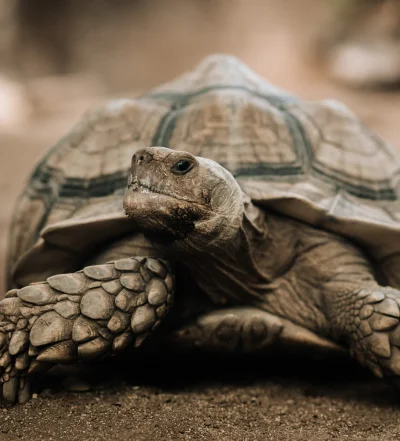
Aquatic Turtles and Tortoises Need Different Care
Turtles and tortoises are both reptiles, but their needs are not interchangeable. Aquatic turtles require clean, properly filtered water and an accessible basking area. Tortoises need suitable land space, shelter, temperature control, and a species-appropriate diet.
Before making major changes to your pet’s setup, it is helpful to speak with a veterinarian. The right environment depends on the species, age, size, and health of your turtle or tortoise.
A Healthy Shell Is More Than Appearance
Your pet’s shell can offer important clues about their health. Changes in texture, color, shape, or firmness should be evaluated.
Schedule a veterinary visit if you notice:
-
Shell cracks, injuries, or bleeding
-
A soft or pliable shell
-
Discoloration, odor, or unusual spots
-
Swelling around the shell or limbs
-
Abnormal shell growth
-
Difficulty pulling into the shell
-
Changes in movement or posture
Shell problems may be caused by injury, infection, inadequate lighting, poor nutrition, or another medical concern. Early evaluation can help determine the cause and appropriate care.

Lighting, Heat, and Water Quality Matter
Turtles and tortoises need environmental conditions that allow them to regulate their body temperature. Adequate heat and appropriate UVB lighting support normal activity, digestion, and calcium use.
For aquatic turtles, water quality is also essential. Dirty water, poor filtration, and an unsuitable enclosure can contribute to skin, shell, eye, and respiratory concerns. Bring photos of your pet’s habitat so we can better understand their setup.
Feeding Your Turtle or Tortoise
Diet needs vary by species. Some turtles eat a combination of aquatic plants, vegetables, pellets, and animal protein. Many tortoises need a high-fiber, plant-based diet with appropriate greens and grass.
Feeding the wrong foods or using supplements incorrectly can affect shell health, growth, digestion, and bone strength. Our team can review your pet’s current foods and help you understand what changes may be needed.
What to Bring to Your Visit
Transport your turtle or tortoise in a secure container with ventilation. Do not bring aquatic turtles in an open container of water. A dry, secure container with a damp towel, when appropriate, is usually safer for travel.
Please bring:
-
Photos of the enclosure and lighting setup
-
A list of foods, treats, and supplements
-
Details about water temperature and filtration for aquatic turtles
-
Information about recent appetite, activity, and stool changes
-
Any previous veterinary records
Supporting a Long, Healthy Life
Turtles and tortoises need consistent care throughout their lives. Regular veterinary visits and a well-managed habitat can help identify concerns early and support your pet’s quality of life.
Call 281-476-0066 to schedule a visit for your turtle or tortoise.