
What Happens When Your Pet Needs Urgent Veterinary Care?

A sudden change in your pet’s health can leave you wondering what to do next. Your dog may begin vomiting, your cat may stop eating, or your pet may seem uncomfortable for no clear reason. In these moments, knowing where to turn can help you act with confidence. Urgent veterinary care in Pasadena, TX gives pet owners a way to seek prompt attention when a health concern should not wait for a routine appointment. At Spencer Animal Hospital in Pasadena, TX, pet owners can contact the veterinary team about sudden health concerns and ask about available same-day care. Understanding what happens during an urgent visit can help you feel more prepared and make decisions that support your pet.
What Happens During an Urgent Veterinary Care Visit?
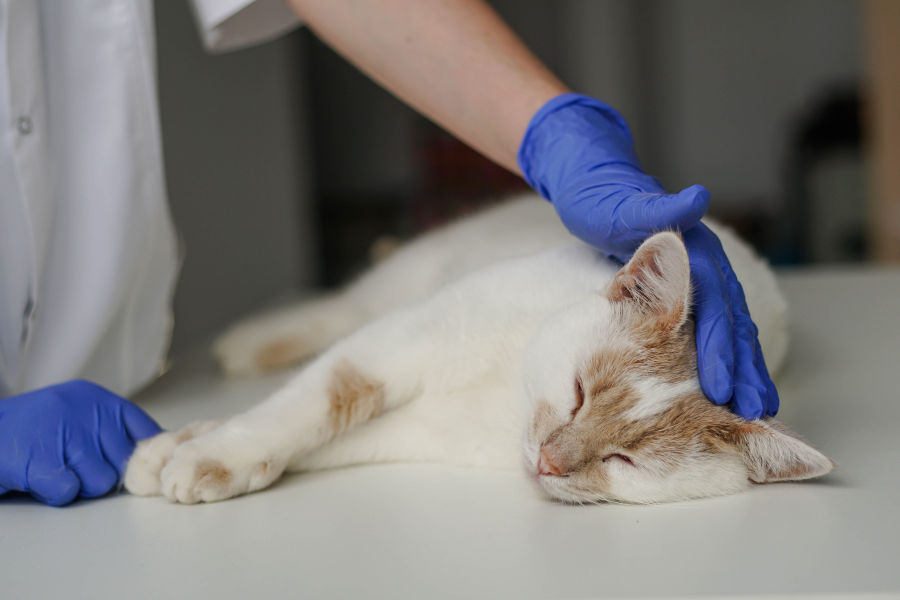
During an urgent veterinary care visit, a veterinarian assesses your pet’s symptoms, checks vital signs, and looks for the cause of the problem. The next steps depend on your pet’s condition and may include diagnostic tests, medication, supportive care, or a treatment plan for follow-up.
The first step is usually a discussion about what you have noticed at home. The veterinary team may ask when the symptoms started, how often they occur, and whether anything has changed in your pet’s eating, drinking, bathroom habits, or behavior.
Your pet will then receive a physical examination. Depending on the concern, the veterinarian may check:
- Heart rate and breathing
- Temperature and hydration
- Eyes, ears, mouth, and gums
- Abdomen for swelling or discomfort
- Skin, limbs, and joints
- Alertness, movement, and overall behavior
Some concerns can be assessed through an examination alone. Others may require bloodwork, X-rays, or additional testing. The veterinarian will explain which steps may help and why they are being recommended.
An urgent visit does not always mean your pet needs extensive treatment. Sometimes the goal is to identify a minor problem early, relieve discomfort, and give you clear instructions for care at home.
What Health Problems May Need Urgent Veterinary Care?
Some pet health changes develop quickly, while others become more noticeable over several hours. If your pet seems unwell and the problem is not improving, calling a veterinarian can help you decide how soon an examination is needed.
Common reasons to contact a veterinary team include:
- Repeated vomiting or diarrhea
- A sudden loss of appetite
- New limping or difficulty walking
- Eye redness, discharge, or squinting
- A painful or swollen area
- Sudden itching, swelling, or skin irritation
- Coughing or unusual breathing sounds
- Blood in the urine or stool
- Possible ingestion of a harmful substance or foreign object
- Unusual tiredness or a sudden change in behavior
Some signs need immediate attention. Difficulty breathing, collapse, uncontrolled bleeding, seizures, or suspected poisoning should not wait for a routine appointment. Contact a veterinary facility right away and follow its instructions.
You know your pet’s normal habits better than anyone. A change that seems small to someone else may be important when it is unusual for your dog or cat.
How Does a Veterinarian Decide Which Treatment Your Pet Needs?
The veterinarian uses your pet’s symptoms, physical examination, and any needed test results to determine the most appropriate care. Treatment depends on the suspected cause, how uncomfortable your pet is, and whether the condition can be managed safely during the visit.
For example, a pet with mild stomach upset may need an examination, guidance on feeding, and medication if appropriate. A pet with a painful injury may need imaging to check for a fracture or joint problem. The treatment plan should address the cause when possible, not only the visible symptom.
Hypothetical case study: A dog named Cooper arrives after developing repeated vomiting and refusing breakfast. During the examination, the veterinarian notices signs of dehydration and recommends diagnostic testing to learn more about the cause. After reviewing the findings, the veterinarian creates a treatment plan and explains what Cooper’s family should monitor at home.
Depending on the condition, care may involve:
- Medication to manage pain, nausea, or other symptoms
- Fluids to support hydration
- Diagnostic imaging or laboratory testing
- Wound cleaning and treatment
- Rest and activity restrictions
- A follow-up examination to check progress
Before leaving, ask what improvement should look like and which changes mean your pet needs another examination. Clear instructions make it easier to care for your pet after the appointment.
What Should You Do Before Bringing Your Pet to the Hospital?
A little preparation can help the veterinary team understand what is happening. However, do not delay seeking care just to gather every detail.
If your pet is stable enough for you to prepare, try to:
- Call the hospital first. Explain the symptoms and ask about appointment availability and the best way to bring your pet in.
- Note when the problem began. Include whether symptoms are getting better, staying the same, or becoming worse.
- Bring relevant records. Previous test results, medical history, and a list of current medications can be useful.
- Take a short video if appropriate. A video of coughing, limping, or unusual movement may help the veterinarian understand what you observed.
- Transport your pet safely. Use a carrier for cats and a secure leash or suitable restraint for dogs.
Avoid giving human medication unless a veterinarian specifically tells you to do so. Some common household medicines can be harmful to pets.
When Should You Contact Spencer Animal Hospital?
Contact a veterinarian when your pet develops a sudden health concern, seems uncomfortable, or behaves differently from usual. You do not need to wait until symptoms become severe to ask for advice.
Spencer Animal Hospital offers same-day and drop-off appointments, subject to availability. The hospital is located at 7022 Spencer Highway in Pasadena and is open Monday through Friday from 7:30 a.m. to 5:30 p.m. and Saturday from 7:30 a.m. to 12:00 p.m. Call 281-476-0066 before visiting so the team can discuss your pet’s symptoms and explain the available options.
If your pet has difficulty breathing, collapses, has a seizure, or may have swallowed a toxic substance, seek immediate veterinary attention rather than waiting for a regular appointment.
How Can You Help Your Pet Recover After an Urgent Visit?
Your pet’s care continues after the examination. Follow the veterinarian’s instructions closely, even if your dog or cat seems more comfortable when you get home.
Helpful steps may include:
- Give prescribed medication exactly as directed.
- Provide fresh water and food according to the recommended plan.
- Keep your pet calm if rest or restricted activity is needed.
- Watch for changes in appetite, energy, breathing, and bathroom habits.
- Attend recommended follow-up visits.
- Contact the hospital if symptoms return or become worse.
Do not stop medication early or change the dose without checking with your veterinarian. If your pet does not improve within the expected time, ask whether another examination is needed.
Frequently Asked Questions
Q1. What is urgent veterinary care?
Ans: Urgent veterinary care is prompt medical attention for a pet with a sudden illness, injury, or health concern that should not wait for a routine appointment. A veterinarian examines the pet and recommends testing or treatment based on the findings.
Q2. How do I know if my dog or cat needs an urgent vet visit?
Ans: Repeated vomiting, sudden limping, eye injuries, blood in the stool, or a major change in behavior are reasons to contact a veterinarian. Difficulty breathing, collapse, seizures, and suspected poisoning require immediate attention.
Q3. Can I get a same-day veterinary appointment in Pasadena, TX?
Ans: Spencer Animal Hospital offers same-day and drop-off appointments, depending on availability. Call the hospital at 281-476-0066 to explain your pet’s symptoms and ask about the next available option.
Q4. What should I bring to an urgent veterinary appointment?
Ans: Bring your pet’s medical records, a list of current medications, and notes about when the symptoms began. A short video of an unusual symptom can also help if it is safe and practical to record one.
Q5. What should I do if my pet gets worse after an urgent vet visit?
Ans: Contact your veterinarian promptly if symptoms worsen, new signs appear, or your pet does not improve as expected. Follow the hospital’s instructions about whether your pet needs a recheck or immediate attention.
Recent Posts



About Spencer Animal Hospital
Spencer Animal Hospital is a staple of the Pasadena community. Our veterinarians and staff have been providing high-quality, compassionate veterinary medicine since 1974. As a full-service veterinarian in Pasadena, TX, we serve dogs and cats with expert, personalized, affordable care.