
How Speaking Your Native Language With Dr. Perez Helps You Understand Your Pet’s Health
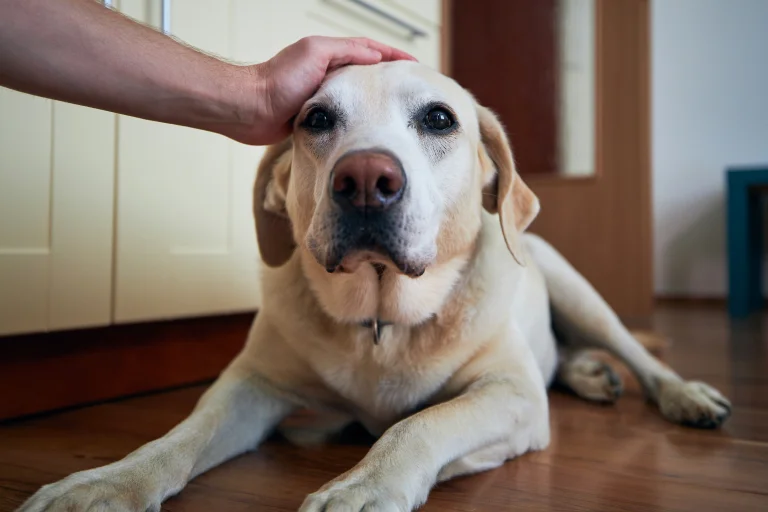
You sit in the exam room while the vet explains a diagnosis. The words are fast, the terms are new, and you are not sure you caught everything. For many Spanish-speaking families, that moment is even harder when the conversation is not in their first language. Spanish pet exams give you a clearer way to talk about your pet’s health, ask questions, and leave the clinic feeling sure about the next steps. At Spencer Animal Hospital in Pasadena, TX, Dr. Gloria Perez, DVM, conducts exams in Spanish or English, based on what you prefer. This article explains how that works and why it matters for your pet.
Can You Get a Pet Exam in Spanish at the Vet?
Yes, you can. Dr. Gloria Perez conducts exams in your language of choice, Spanish or English. You can describe symptoms, ask questions, and hear the answers in the same language, with no need for a family member or friend to translate.
This is the same careful, hands-on visit every pet receives. The main difference is that the conversation happens in the language you know best. Many pet owners may find that hearing information in a familiar language puts them at ease. Spanish-speaking pet owners are welcome to contact the hospital and ask about language options throughout their pet’s care.
During the visit, you can:
- Explain what you have noticed at home in your own words
- Ask about your pet’s food, habits, and daily routine
- Hear the findings and next steps explained clearly
- Ask follow-up questions before you leave the room
Dr. Perez earned her veterinary degree in Mexico and went on to practice in Mexico City and then Houston. She now brings that experience to every patient she sees.
Why Does Language Matter in Your Pet’s Health Care?
Language shapes how well care actually works. Veterinary visits are full of details. Your vet needs accurate information from you, and you need clear instructions from your vet. When language gets in the way, both sides can miss something important.
Here is what can go wrong when a language gap is present:
- A symptom is described in a way that does not match what you meant
- Medical terms are understood only in part
- Medication directions are followed incorrectly
- Questions go unasked because the words feel hard to find
These gaps can happen to anyone who is speaking about health in a second language, even if daily English is comfortable. Health-related words are often harder to understand than everyday ones.
Think about how often a vet asks about appetite, thirst, energy, and bathroom habits. Small differences in wording can change how those answers are understood. Speaking in your native language helps you share the full picture, and that picture guides every decision that follows.
None of this means you care less about your pet. It shows how much good care depends on shared understanding. A confident owner can be a stronger partner in their pet’s care.
How Does Speaking Your Language Help You Notice and Share Symptoms?
You know your pet better than anyone, so you are often the first to spot a change. Sharing those changes clearly is one of the most useful things you can do at a visit. Even small notes, like a change in routine, can matter.
Let your vet know if you notice:
- Eating or drinking more or less than usual
- Limping, stiffness, or trouble jumping
- Vomiting, diarrhea, or changes in bathroom habits
- Scratching, licking, or skin changes
- Coughing, heavy breathing, or low energy
- New lumps or sudden weight changes
When you describe these signs in Spanish, it is easier to explain when they started, how often they happen, and what seems to make them better or worse. Those details help a vet decide which tests or treatments make sense. Dr. Perez’s medical interests include internal medicine, abdominal ultrasound, and soft tissue surgery, areas where a clear history from you can shape what comes next.
If your pet struggles to breathe, collapses, or cannot stand, call the hospital or an emergency clinic right away.
What to Expect During Spanish Pet Exams With Dr. Perez?
Here is where it gets practical. Visits follow the same steps every pet receives, with clear conversation at each one. You can book by phone, and online booking is available in Spanish as well.
Here is how a visit usually goes:
- Check-in and history. A Spanish speaking technician or Dr. Perez asks about your pet’s health, habits, and any concerns.
- Physical exam. Dr. Perez looks your pet over from nose to tail.
- Clear explanation. She shares what she finds in Spanish or English, in plain words.
- Next steps. You review any tests or treatment and ask your questions.
Take your time and ask questions at any point during the visit.
In a typical scenario, an owner brings in an older cat that has been drinking more water and losing weight, but past visits left the owner unsure how to explain the changes.
With Dr. Gloria Perez, DVM, the owner describes the timeline in Spanish, and Dr. Perez explains which tests make sense and why. The owner leaves knowing what the results mean and how to give medicine at home. This example is general, not a specific patient.
Benefits of Exams in Your Native Language for Your Pet’s Health
Spanish pet exams can offer benefits that reach well beyond the exam room. Here is what pet owners may gain from communicating in a language they understand comfortably:
- Better understanding. Diagnoses and medical terms can be explained in familiar words.
- More complete history. You can share details without searching for the right words.
- Clearer home-care instructions. Directions for food, medicine, and recovery may be easier to understand and follow.
- More questions asked. You may feel more comfortable speaking up when something is unclear.
- Less communication-related stress. A familiar language can help the conversation feel more comfortable for you.
Pets cannot tell anyone how they feel, so the owner’s words carry real weight. When those words come easily, the vet gets a fuller view of what is going on.
These benefits can add up over time. Owners who understand their pet’s health are better prepared to follow treatment plans and notice problems sooner. That teamwork can help support a pet’s health over the long term.
How to Know If a Spanish Pet Exam Is Right for You?
Choosing a language for your pet’s exam is a personal decision, and there is no wrong answer.
A Spanish exam may be a good fit if you:
- Feel more at ease discussing health topics in Spanish
- Often rely on a friend or relative to translate
- Have left past visits unsure about instructions
- Want every family member to take part in your pet’s care
- Prefer to ask questions without searching for the right word
Some families use both languages at home. Dr. Perez conducts exams in either one, so you can choose what feels right on the day of your visit. Just share your preference when you call or book.
Language comfort also matters when several family members share pet care. When everyone can follow the plan, your pet gets steadier care between visits. A clear plan at home can make a real difference in how well your pet recovers after treatment.
How to Prepare for Your Pet’s Appointment?
A little preparation helps you get the most from your time with the vet. Appointments go more smoothly when you arrive ready. You do not need anything fancy, just a few notes and the right questions.
Before you arrive:
- Write down symptoms, when they began, and how often they happen
- Note your pet’s food, treats, and any supplements
- Bring a list of any medicines your pet takes now
- Bring past records if you have them from another clinic
- Take a short video of any behavior that is hard to describe
- Write your questions in the language you prefer
During the visit, feel free to ask the veterinarian to slow down or explain a term in a different way. If something is unclear, asking again is always welcome.
Before you leave, repeat the plan back in your own words. This simple step helps confirm that you understood the medicine instructions, food changes, and follow-up recommendations.
Why Pet Owners Trust Dr. Perez and the Team
Pet owners look for a vet who listens, explains, and has the experience to back it up. Dr. Perez brings both.
Her background includes:
- A veterinary degree earned in Mexico
- A two and a half year internal medicine and surgery program
- Seven years of practice in Mexico City, including night shift emergencies
- Thirteen years as a general practitioner in Houston
- Soft tissue surgery skills that lead other veterinarians to refer cases to her
That mix of hands-on skill and clear communication is what many families want from a vet. It is also why Spanish-speaking owners can feel at home from the first visit.
The hospital itself is AAHA-accredited, which reflects a commitment to high standards of care. A friendly team is ready to welcome you, and the website greets visitors with a simple message, “Hablamos Español.” Drop-off and same-day appointments are also available for busy schedules.
Conclusion
Clear communication is one of the simplest ways to protect your pet’s health. When you can speak freely, ask questions, and understand the answers, you become a more confident partner in your pet’s care. A visit in your own language can turn a stressful appointment into a calm, useful conversation. Spanish pet exams with Dr. Gloria Perez make that possible for families who feel most at home in Spanish, while English exams remain available too. At Spencer Animal Hospital in Pasadena, TX, every pet owner is welcome to ask, learn, and take part in the care of their companion. Ready to book? Call (281) 476-0066 or request an appointment online today, and let Dr. Perez and the team help your pet stay healthy.
FAQs
Q1: What is a Spanish pet exam?
Ans: A Spanish pet exam is a regular veterinary visit held in Spanish. The vet checks your pet, asks about symptoms and habits, and explains the findings in the language you choose. You receive the same care as with any other exam, with clearer communication.
Q2: What should I do if I cannot explain my pet’s symptoms in English?
Ans: Ask for an exam in Spanish when you book. Dr. Perez can listen to your concerns in your own words and ask follow-up questions to fill in details. Writing notes or taking a short video before the visit can help too.
Q3: Does Spencer Animal Hospital offer vet exams in Spanish?
Ans: Yes. Spencer Animal Hospital offers pet exams in both Spanish and English with Dr. Gloria Perez, DVM. Spanish-speaking pet owners are welcome to ask questions, share concerns, and take part in every part of their pet’s care.
Q4: How do I book a vet appointment in Spanish?
Ans: You can call (281) 476-0066 or book online, and let the team know you prefer Spanish. Drop-off and same-day appointments are also available. The hospital is open Monday through Friday from 7:30 am to 5:30 pm and Saturday from 7:30 am to 12:00 pm.
Q5: How much does a vet exam cost?
Ans: Exam costs depend on your pet and the care needed. Call (281) 476-0066 for current fees, and mention that you would like your visit in Spanish.
Q6: When should I take my pet to the vet right away?
Ans: Seek care right away if your pet has trouble breathing, collapses, has a seizure, cannot stand, or shows signs of severe pain. Repeated vomiting or diarrhea, or not eating or drinking for a day or more, also calls for a prompt visit or phone call. When in doubt, call the hospital or an emergency clinic and describe what you see.
Recent Posts

About Spencer Animal Hospital
Spencer Animal Hospital is a staple of the Pasadena community. Our veterinarians and staff have been providing high-quality, compassionate veterinary medicine since 1974. As a full-service veterinarian in Pasadena, TX, we serve dogs and cats with expert, personalized, affordable care.