
When Should a Pet’s Skin Rash Be Examined by a Veterinarian?
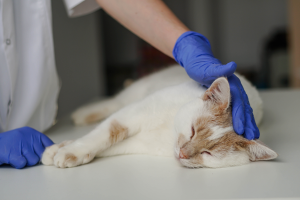
A red patch on your dog’s belly, a scab behind your cat’s ear, or a sudden urge to scratch can leave you wondering whether the problem will clear up on its own. Some skin changes are mild and short-lived, but others may signal allergies, parasites, infection, or another condition that needs treatment. A pet skin rash should be examined by a veterinarian when it persists, spreads, causes significant discomfort, develops sores or discharge, or occurs alongside other signs of illness. Spencer Animal Hospital in Pasadena, TX, encourages pet owners to pay attention to changes in their pets’ skin rather than relying on guesswork or home remedies. Understanding what may cause a rash, which warning signs matter, and what a veterinary examination involves can help you make informed decisions about your pet’s care.
When Should a Pet’s Skin Rash Be Examined by a Veterinarian?
A pet’s skin rash should be examined when it does not improve, keeps returning, spreads, or causes ongoing itching, pain, or hair loss. You should also arrange a prompt examination if the skin becomes swollen, develops open sores, smells unusual, or produces discharge. Sudden facial swelling, breathing difficulty, collapse, or rapidly worsening illness requires urgent veterinary attention.
A rash may look like redness, small bumps, scabs, flaky skin, bald patches, or irritated areas. In pets with thick fur, the problem may be difficult to see until scratching or licking becomes frequent.
Watch for these warning signs:
- Persistent or intense scratching, licking, or chewing.
- Redness that spreads or becomes more severe.
- Hair loss, scabs, sores, or bleeding.
- Pus, discharge, or a strong odor from the skin.
- Swelling, warmth, or pain when the area is touched.
- Repeated ear problems along with itchy skin.
- Changes in appetite, energy, or general behavior.
The location of the rash can offer clues, but it cannot confirm the cause. For example, itchy paws may occur with allergies, irritation, or infection. A rash around the face or ears may have several possible explanations as well.
Avoid applying human creams or giving medication without veterinary guidance. Some products can irritate the skin or be harmful if your pet licks them. If your pet is repeatedly damaging the skin by scratching, contact your veterinarian rather than waiting for the area to heal on its own.
What Causes Skin Rashes in Dogs and Cats?
Skin rashes can develop for several reasons, and different problems can look very similar. Your veterinarian will consider your pet’s age, lifestyle, medical history, environment, and the pattern of the rash when narrowing down the possible causes.
Allergies
Allergies are a common reason pets develop itchy skin. Some dogs and cats react to substances in their environment, certain ingredients in food, or bites from fleas and other insects. Signs may include scratching, licking the paws, rubbing the face, or recurring ear irritation.
An allergy can also make the skin more vulnerable to secondary infections. Treating the itch alone may not solve the problem if the underlying trigger remains.
Parasites
Fleas, mites, and other external parasites can irritate the skin. Some pets react strongly to flea bites, even when few fleas are visible. Mites may cause intense itching, hair loss, crusting, or other skin changes, depending on the type involved.
A pet does not need to spend time outdoors to develop every type of skin problem. Parasite exposure and risk vary, so your veterinarian can recommend an appropriate assessment based on your pet’s lifestyle.
Bacterial or yeast infections
Bacteria and yeast can multiply when the skin’s normal defenses are disrupted. Infection may cause redness, odor, greasy skin, crusts, discharge, or increased itching. These problems sometimes develop alongside allergies or other conditions rather than occurring on their own.
A veterinarian may need to examine a skin sample to determine whether microorganisms are contributing to the rash.
Irritation and contact reactions
Shampoos, cleaning products, grasses, and other substances can irritate some pets’ skin. A reaction may appear where the skin contacted the substance, although the pattern can vary.
Other skin conditions
Hormonal disorders, immune-related conditions, and other health problems can also affect the skin. Hair loss or recurring skin changes may be the first clue that something beyond a surface irritation is occurring.
Because these causes can overlap, identifying the reason for a rash is often more useful than simply trying to make the redness disappear.
How Can You Tell Whether a Pet’s Rash Is Mild or Serious?
A mild rash may involve a small area of redness without significant pain, swelling, or changes in behavior. However, appearance alone cannot reliably show how serious a skin problem is. A small lesion may become infected, while a widespread rash may result from a condition that needs a different type of treatment.
Consider the following differences.
| Sign | What it may indicate | Recommended response |
|---|---|---|
| Small area of mild redness | Irritation or an early skin problem | Monitor closely and contact your veterinarian if it persists or worsens |
| Frequent scratching or licking | Itching caused by allergies, parasites, or infection | Arrange a veterinary examination if ongoing |
| Hair loss or repeated scabs | Persistent irritation or another skin disorder | Schedule an examination |
| Pus, odor, or open sores | Possible infection or significant skin damage | Contact your veterinarian promptly |
| Rapidly spreading redness or swelling | A worsening reaction or infection | Seek prompt veterinary assessment |
| Facial swelling or trouble breathing | Possible severe allergic reaction or another serious problem | Seek urgent veterinary care |
Pay attention to how quickly the rash develops and whether your pet seems uncomfortable. Repeated licking can damage the skin further, creating a cycle of irritation, injury, and possible infection.
Take a clear photo of the affected area if it changes over time. This can help you describe the progression to your veterinarian, especially if the appearance changes between the time you notice the rash and the appointment.
If your pet seems unwell, has significant pain, or the skin problem is worsening quickly, do not rely on home monitoring alone. Contact a veterinary professional for advice.
How Do Veterinarians Diagnose and Treat a Pet Skin Rash?
A veterinarian begins by examining your pet and asking questions about when the rash started, how it has changed, and whether your pet has experienced similar problems before. The vet may check the entire skin surface, ears, paws, and other areas because the visible rash may be only one part of the problem.
Depending on the findings, diagnostic tests may include:
- Skin cytology: A sample is examined under a microscope to look for signs of bacteria, yeast, or inflammatory cells.
- Skin scraping: A small sample of surface material is collected to check for certain mites.
- Flea and parasite checks: The veterinarian looks for evidence of external parasites and considers your pet’s exposure risk.
- Fungal testing: Testing may be recommended when a fungal skin condition is suspected.
- Bacterial culture: A laboratory may grow bacteria from a suitable sample and test their response to selected antibiotics when needed.
- Additional blood tests or other diagnostics: These may be considered if the history and examination suggest an underlying health problem.
Not every pet needs all these tests. The veterinarian selects the approach based on the symptoms and what the examination reveals.
Treatment depends on the cause
Treatment may involve parasite control, medication to relieve itching, treatment for a bacterial or yeast infection, or steps to reduce contact with an irritant. If allergies are suspected, the veterinarian may recommend a longer-term plan to identify and manage the triggers.
Hypothetical case example: A dog develops red, itchy skin around its paws and belly and begins licking both areas repeatedly. During the examination, the veterinarian notices inflamed skin and takes a sample to check for a secondary infection. The findings help guide treatment for the skin problem, while the veterinarian also discusses possible allergy triggers and how to monitor the dog’s response.
This hypothetical case illustrates why a skin examination can be more useful than choosing a cream based only on appearance. The same red, itchy rash can have different causes, and the treatment needs to match the underlying problem.
Follow the treatment instructions carefully and return for a recheck if recommended. Contact your veterinarian if the rash worsens, new symptoms appear, or your pet develops a possible medication reaction.
What Can You Do at Home While Waiting for a Veterinary Appointment?
You can take a few simple steps to keep your pet comfortable while arranging an examination. The goal is to prevent further irritation and avoid making the skin problem harder to diagnose.
Try these measures:
- Prevent excessive licking and scratching. Ask your veterinarian whether a properly fitted recovery collar is suitable for your pet.
- Keep the area clean and dry. Avoid scrubbing the skin or using strong cleaning products.
- Avoid new skin products. Do not apply human creams, essential oils, or medicated shampoos unless your veterinarian approves them.
- Reduce suspected exposure. If the rash appeared after contact with a new product or plant, prevent further contact and tell your veterinarian.
- Take photographs. Pictures can help show whether the rash is spreading or changing.
- Record recent changes. Note any new foods, grooming products, bedding, outdoor activities, or medications that may be relevant.
Do not shave an affected area, squeeze bumps, remove scabs, or attempt to drain a swollen lump at home. These actions can cause pain, damage the skin, or introduce infection.
If the skin is open, bleeding, or producing discharge, contact your veterinarian for advice about protecting it until the appointment. Avoid bandaging a rash tightly because trapped moisture and pressure can make some skin problems worse.
If you suspect your pet has come into contact with a chemical, follow product-specific safety guidance and contact a veterinary professional. Do not try to neutralize the substance with another product unless instructed.
Home care can reduce further irritation, but it cannot reliably identify the cause of a rash. A persistent or worsening problem needs an appropriate veterinary assessment.
How Can You Help Prevent Recurring Skin Problems in Pets?
Preventing skin problems often starts with identifying what triggers them. Some conditions can be managed with regular parasite control, while others require ongoing care for allergies or an underlying health issue. Your veterinarian can help create a plan suited to your pet rather than relying on a one-size-fits-all routine.
Helpful habits include:
- Check your pet’s skin and coat during regular brushing or grooming.
- Keep bedding and commonly used resting areas clean.
- Use grooming products suitable for your pet’s skin and coat.
- Follow veterinary guidance for parasite prevention.
- Dry damp areas gently when appropriate, especially after bathing or swimming.
- Avoid repeatedly introducing new products when your pet has sensitive skin.
- Follow prescribed treatment instructions and attend recommended rechecks.
- Keep notes about recurring symptoms and possible triggers.
If your pet has repeated rashes, look for patterns rather than assuming each episode is unrelated. Symptoms may occur after certain outdoor activities, during particular seasons, or alongside ear irritation. Sharing these observations can help the veterinarian decide whether allergy testing or other diagnostics may be useful.
Do not make major diet changes or start supplements solely to treat a rash without discussing them with your veterinarian. Food allergies are only one possible cause, and changing several things at once can make it harder to identify the real trigger.
Regular observation and early attention to changes can help prevent minor skin irritation from turning into a more painful problem.
Conclusion
A pet skin rash can result from allergies, parasites, infection, irritation, or another health condition, so the right response depends on finding the cause. Get pet dermatology care when a rash persists, spreads, keeps returning, causes significant itching, or develops sores, discharge, or an unusual odor. Facial swelling, breathing problems, collapse, and rapidly worsening symptoms require urgent attention. While waiting for an appointment, prevent excessive licking, avoid unapproved skin products, and record any changes that may help with diagnosis. If your dog or cat develops a concerning skin problem, contact Spencer Animal Hospital in Pasadena, TX to discuss an examination and the next steps for your pet’s care.
FAQs
Q1: What causes skin rashes in dogs and cats?
A: Common causes include allergies, fleas and mites, bacterial or yeast infections, contact irritation, and other skin or health conditions. Several causes can look alike, so the appearance of a rash alone may not reveal what is responsible. A veterinarian can recommend testing or treatment based on the examination.
Q2: When should I take my pet to the vet for a skin rash?
A: Arrange an examination if the rash persists, spreads, returns repeatedly, causes ongoing itching, or develops sores, discharge, or an unusual odor. Seek urgent veterinary care for breathing difficulty, collapse, severe swelling, or rapidly worsening symptoms. Avoid waiting if your pet seems very uncomfortable or unwell.
Q3: Can I use human anti-itch cream on my pet’s rash?
A: Do not apply human creams or medicated products without veterinary guidance. Some ingredients can irritate the skin or cause harm if your pet licks the product. Ask your veterinarian which treatment is safe for your pet and the specific skin problem.
Q4: How do veterinarians diagnose a skin rash in pets?
A: The veterinarian examines the skin and asks about symptoms, previous problems, and recent exposures. Depending on the findings, testing may include skin samples, parasite checks, fungal testing, or bacterial culture. Not every rash requires every test.
Q5: Can Spencer Animal Hospital treat recurring skin rashes in pets?
A: Spencer Animal Hospital can examine your pet’s skin and discuss possible causes and treatment options. Recurring rashes may need testing or a longer-term plan, especially if allergies or repeated infections are involved. Contact the clinic if your pet’s symptoms persist or worsen.
Recent Posts



About Spencer Animal Hospital
Spencer Animal Hospital is a staple of the Pasadena community. Our veterinarians and staff have been providing high-quality, compassionate veterinary medicine since 1974. As a full-service veterinarian in Pasadena, TX, we serve dogs and cats with expert, personalized, affordable care.